
iGene Labserve

What Is the Best Coffee Color Sorter Machine in 2026?

Choosing the best Coffee Color Sorter Machine in 2026 is not just about picking the model with the fastest advertised speed. Coffee processors need equipment that can identify defects reliably, handle their expected volume, and fit the realities of their production line. A machine sorting green beans may face different demands from one handling roasted coffee. Bean size, color variation, dust, lighting, and feed consistency can all affect results.

This guide explains the practical criteria behind a sound comparison. Look closely at sorting accuracy, processing capacity, camera and sensor specifications, ejection performance, and the range of defects the system can detect. Ask how results change when beans are unevenly fed or ambient conditions shift. Small details matter: a clear rejection tray, accessible inspection points, and responsive technical support can save time during a busy shift. Very useful.

Specifications deserve careful reading. Throughput figures may depend on bean type, defect settings, and acceptable rejection rates, so request a demonstration using representative samples where possible. A glossy touchscreen is helpful, but it cannot compensate for poor calibration or inconsistent feeding. No machine is perfect. Even experienced buyers can overvalue a headline number and overlook cleaning time, operator training, or future service costs. The best choice is the one whose documented performance matches your coffee, workflow, and budget—not simply the one with the boldest claims. Comparing these factors can help buyers make a more informed decision in 2026, while recognizing that final results depend on installation, setup, and ongoing maintenance.
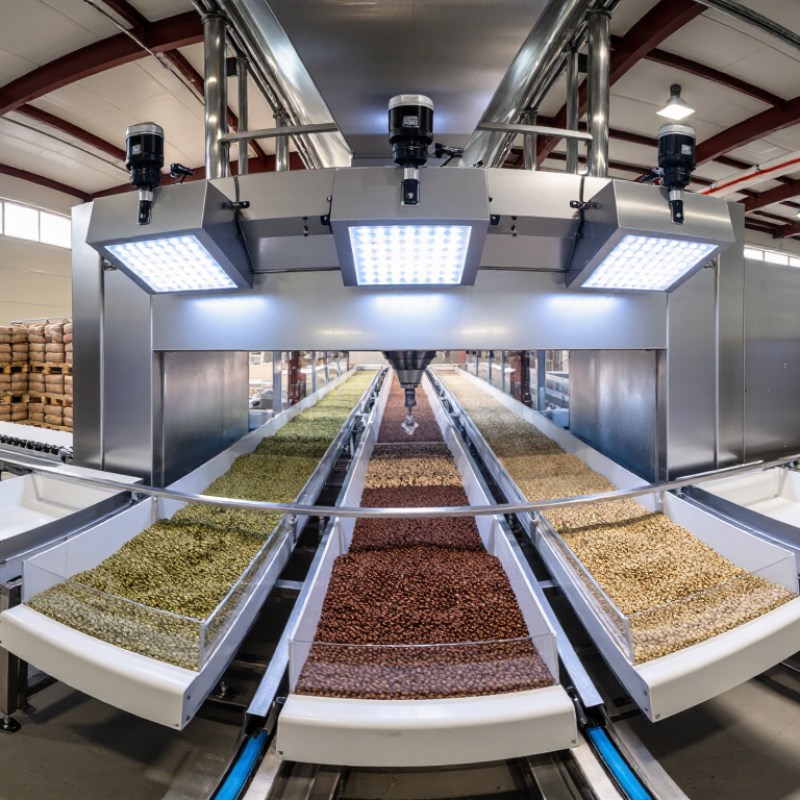
What Is the Best Coffee Color Sorter Machine in 2026?

What a Coffee Color Sorter Machine Does

What Is the Best Coffee Color Sorter Machine in 2026?

What a Coffee Color Sorter Machine Does

A coffee color sorter inspects beans as they move quickly along a chute or conveyor. Cameras and optical sensors detect differences in color, shape, or other visible features. When a bean appears defective, a timed air jet can push it into a separate collection bin. The goal is a more consistent batch, not a flawless one.

For example, a sorter may help separate beans with dark discoloration from sound beans. It can also identify some unwanted material, depending on the machine’s sensors and setup. Operators usually adjust sensitivity and test sample batches before full production. A setting that is too strict may reject usable beans. Too loose, and some defects may pass through. Small adjustments matter.

A sorter works best as one part of quality control. It does not assess flavor, aroma, or every hidden defect. Dust, changing light, and uneven bean flow can affect inspection, so regular cleaning and checks are important. No machine is perfect. Reviewing rejected beans by hand can reveal whether settings need adjustment and whether the sorter is removing too much good coffee.

What Is the Best Coffee Color Sorter Machine in 2026? - What a Coffee Color Sorter Machine Does
Dimension What the Machine Does What to Look For Practical Limitation
Feed and presentation Moves coffee beans into a controlled, single-layer stream so the inspection system can view individual beans. Consistent feeding and adjustable settings for the bean size and product being sorted. Uneven feeding or overlapping beans can reduce sorting accuracy.
Optical inspection Uses cameras and controlled lighting to inspect visible color differences; some systems also assess shape or other optical characteristics. Clear detection of the defects relevant to the intended product, with settings that can be tested on representative samples. Performance depends on lighting, product presentation, software settings, and the contrast between acceptable and defective beans.
Defect identification Can be configured to detect visible defects such as discolored, immature, insect-damaged, or broken beans, as well as certain contrasting foreign materials. Confirm that the machine can distinguish the specific defects found in the coffee lot. Defects hidden inside a bean or not distinguishable by the installed sensors may not be detected.
Rejection mechanism Typically uses timed air jets to divert selected beans from the accepted product stream into a reject outlet. Reliable ejection timing, adjustable reject settings, and accessible reject collection. Air pressure and timing need to match the bean flow; incorrect settings can eject acceptable beans or miss defects.
Green coffee use Sorts unroasted beans to remove visible color defects and selected foreign materials before further processing. Test with the actual green coffee variety, moisture condition, and defect profile. Different lots can require different settings; one recipe may not suit every origin or grade.
Roasted coffee use Can separate visibly unevenly roasted or otherwise discolored beans when the machine is designed and configured for roasted coffee. Verify performance on roasted beans, since their color range and surface appearance differ from green coffee. Roasting level, surface oils, and bean variation can affect optical contrast and feeding behavior.
Capacity and accuracy Processes a continuous stream, with output and sorting results affected by the machine configuration and operating conditions. Compare measured throughput, accepted-product quality, and good-bean rejection using the same test lot and agreed settings. There is no single capacity or accuracy figure that applies to every coffee type and defect mix.
Best-fit selection Matches the inspection and ejection system to the coffee product, target defects, required output, and available production space. Prioritize a sample trial, repeatable results, cleaning access, adjustment range, and support for the intended application. The “best” machine depends on the buyer’s product and quality targets rather than a universal model ranking.

Selection note: Ask for a trial using representative coffee samples. Compare the defect-removal result and the amount of acceptable coffee rejected under the same operating conditions.

How Coffee Color Sorting Technology Works

Coffee color sorting uses controlled lighting, cameras, and fast air jets. Beans travel in a thin stream along a vibrating chute. As each bean passes the camera, the system compares its color and shape with selected quality thresholds. A detected defect triggers a brief puff of air, sending the bean into a separate outlet. Timing matters.

Good calibration is essential. Green beans, roasted beans, and different origins can show very different color ranges. Operators often adjust sensitivity after checking a sample under consistent light. Too strict, and sound beans may be rejected. Too loose, and pale, dark, or damaged beans can pass through. Small test batches help reveal the trade-off.

Color is only one clue. A sorter may identify visible discoloration, foreign material, or uneven roasting, but it cannot reliably judge flavor or internal defects by appearance alone. Dust on lenses, changing bean flow, and mixed sizes can also affect results. In practice, regular cleaning and manual sample checks remain useful. Not perfect. When comparing machines in 2026, buyers should test detection accuracy, throughput, reject handling, and adjustment ease using their own coffee samples. A polished specification sheet is not enough. Test it.

Key Criteria for Comparing Coffee Color Sorters in 2026

What Is the Best Coffee Color Sorter Machine in 2026?

Key Criteria for Comparing Coffee Color Sorters in 2026

The best coffee color sorter depends on the defects you need to remove and your daily processing volume. Compare sorting accuracy using coffee samples that reflect your actual crop, including pale beans, dark spots, and broken pieces. Ask how the machine handles uneven lighting and whether settings can be adjusted for different batches. A high throughput figure may look impressive, but it means little if quality drops at your normal operating speed. Check cleaning access, spare-part availability, and operator training requirements, too. These details affect real-world performance.

Tips: Test a representative batch before deciding. Record the accepted-bean rate and rejected-bean rate. Small details matter. Ask whether results stay consistent after the machine warms up.

Also compare the interface and maintenance routine. Operators should be able to understand alerts and change settings without guesswork. Request clear guidance on calibration and routine checks. If possible, observe a trial with your own beans rather than relying only on demonstration samples. Results can vary. I would not treat one test as conclusive; bean moisture, lighting, and feed consistency can all influence sorting. A careful comparison should weigh product quality, operating costs, service support, and the conditions in your facility.

Common Coffee Sorter Types and Their Best-Fit Uses

Coffee sorters suit different defects and production scales. Chute-fed RGB optical sorters inspect beans as they fall past cameras and air jets. They are practical for removing visible discoloration, insect damage, and foreign material from steady, high-volume lines. Belt sorters spread beans into a thinner layer, which can help when beans overlap or require closer inspection. Compact batch machines fit small roasteries and sample lots, though their throughput is limited.

Near-infrared or multispectral systems can detect differences beyond visible color, but they cost more and may require careful calibration. They are best considered when a processor needs to separate specific defects that ordinary cameras miss. The International Coffee Organization’s Coffee Report and Outlook estimated 2023/24 world production at about 178 million 60-kilogram bags. That scale helps explain why large plants prioritize throughput, while smaller operations may value flexibility more. The figure does not determine the right machine; defect targets and trial results matter more. No sorter replaces good incoming-bean control.

Tips: Test representative lots before buying. Ask for measured removal accuracy, false-reject rates, and throughput using your own beans. Check whether operators can adjust settings easily. A technically advanced machine can still disappoint when calibration is rushed. Reluctantly, there is no universal winner.

What Is the Best Coffee Color Sorter Machine in 2026?

Common coffee sorter types and their best-fit uses

Chute-fed RGB color sorters are a common fit for high-volume bean sorting. Belt-fed systems provide a stable view of each bean, while NIR-assisted and AI-enabled optical systems can help target material or defect differences beyond simple visible color. Scores are qualitative guidance, not standardized performance measurements; results depend on the beans, defects, and machine setup.

How to Choose the Right Coffee Color Sorter for Your Operation

Choosing the right coffee color sorter starts with the defects you need to remove. Green beans may contain pale, dark, insect-damaged, or discolored pieces. Roasted coffee presents different color and surface challenges. Define your target before comparing machine specifications. Small details matter.

Match the sorter’s rated capacity to your actual line, not just its peak figure. Ask how lighting, camera resolution, and ejection timing perform at your bean size and belt speed. A useful demonstration should use a representative sample from your own operation, including ordinary variation between batches. Run a trial. Review both the rejected material and the beans that pass through; excessive good-bean loss can quietly reduce yield.

Consider cleaning access, operator training, spare-part availability, and service response alongside sorting accuracy. Dust buildup or inconsistent feeding can affect results, even with capable imaging hardware. Check whether settings can be adjusted for different lots, and ask how performance is verified after maintenance. A few minutes of testing may not reflect a full shift, so request longer-run data when possible. No single specification tells the whole story, and it is easy to overvalue speed before checking recovery and consistency.