Best Orthodontic Adhesive System for Perfect Smiles?
In the world of orthodontics, the importance of a reliable Orthodontic Adhesive System cannot be overstated. Dr. Emily Turner, a leading expert in orthodontic technology, states, "A strong adhesive not only ensures the longevity of braces but also enhances patient comfort." When it comes to achieving perfect smiles, the right adhesive plays a crucial role.
Many orthodontists struggle with selecting the best system. Different options exist, but not all meet the same standards. For instance, some adhesives may compromise on bond strength. Others might lead to discomfort for patients during their orthodontic journey. Choosing wisely can impact treatment duration and overall satisfaction.
Patients deserve an adhesive system that aligns with their needs. Each case is unique and may require specific considerations. Reflecting on the choices available is essential. Ultimately, the best Orthodontic Adhesive System should not only provide durability but must also focus on patient experience and effectiveness.
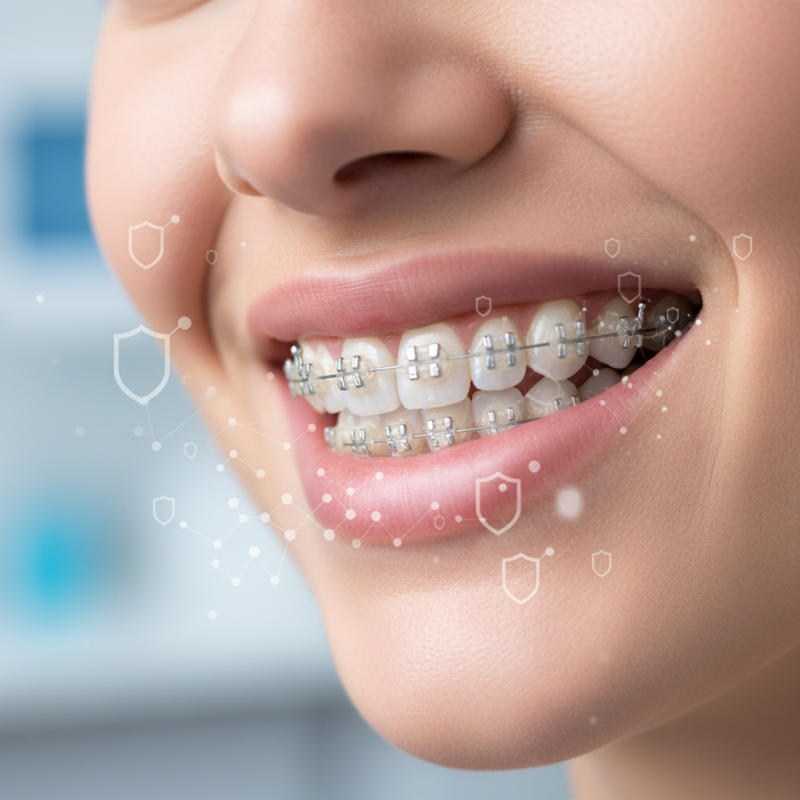
Understanding Orthodontic Adhesive Systems: An Overview
Orthodontic adhesive systems play a crucial role in achieving perfect smiles. These systems are essential for bonding brackets securely to teeth. Various types exist, primarily resin-based systems, which account for about 70% of the market. This popularity stems from their strong bonding capabilities and ease of use. A report showed that patients achieve better outcomes when using quality adhesives, leading to improved satisfaction.
While selecting the right adhesive, dental professionals must consider several factors. The viscosity of the adhesive affects how well it spreads on the tooth surface. A thicker adhesive might not penetrate models effectively. Conversely, a thinner one might not provide enough strength. Professionals often recommend testing different adhesives on models. This helps to determine the best fit for specific cases.
**Tips:** Choose adhesives that offer a fast curing time. Reduced time in the chair can enhance patient experience. Another key point is to ensure proper surface cleaning before application. This significantly boosts bond strength. Reflecting on adhesive failures is also essential. Reducing technique sensitivity could minimize inaccuracies in application. Continuous education and hands-on training can improve outcomes in orthodontics.
Best Orthodontic Adhesive System for Perfect Smiles
| Adhesive Type | Bonding Strength (MPa) | Curing Method | Set Time (min) | Advantages |
| Light-cured | 20-25 | Light exposure | 1-2 | High bonding strength, quick curing |
| Self-adhesive | 15-20 | Chemical cure | 5-10 | No need for additional bonding agents |
| Dual-cured | 25-30 | Light and chemical | 2-3 | Versatile, strong performance |
| RelyX Unicem | 22-27 | Self-adhesive | 5 | Reduced steps, versatile use |
| Transbond XT | 22 | Light-cured | 2 | Excellent handling, high bond performance |
Key Features of Effective Orthodontic Adhesives
Choosing the right orthodontic adhesive is crucial for achieving perfect smiles. Effective orthodontic adhesives should have strong bonding capabilities. This ensures that brackets remain securely in place throughout the treatment. A reliable adhesive should also resist moisture during the application process. If the adhesive is not moisture-resistant, it can weaken the bond.
In addition to bonding strength, the curing time of the adhesive matters. Some adhesives cure quickly, allowing for faster procedure completion. However, an adhesive that dries too quickly can be challenging to work with. Orthodontists must balance speed with effectiveness. Moreover, the adhesive should exhibit good flow properties. This allows it to fill small gaps and create a solid bond.
A strong adhesive can help prevent debonding, but it may also lead to issues. Brackets that are too hard to remove can cause damage to tooth enamel. Orthodontists often reflect on the balance between strength and removability. Honest evaluation of their adhesive choices can improve patient outcomes. Finding the ideal adhesive involves trial and error. Each patient’s needs differ, making this process a learning journey.
Comparison of Popular Orthodontic Adhesive Brands
Choosing the right orthodontic adhesive system is crucial for achieving perfect smiles. There are numerous brands available. Each has its own strengths and weaknesses. Some adhesives provide strong bond strength, while others offer easier removability. Understanding these differences can help orthodontists make informed choices.
Popular brands vary in speed of setting time. Some adhesives set quickly, which is great for busy practices. However, they can sometimes lead to mistakes. An adhesive that sets too fast may not allow for adjustments. On the other hand, slower-setting options provide more flexibility. Yet, they may increase chair time for patients, which isn’t always ideal.
In addition to bond strength and setting time, consider the removal process. Some adhesives leave residue, making cleanup harder. This can be frustrating for both the patient and the orthodontist. Assessing each brand's performance on various brackets and materials is essential. Testing multiple options in the clinic can enhance the decision-making process. Making an informed choice benefits both practitioner and patient, leading to better outcomes.
Application Techniques for Optimal Results in Orthodontics
Orthodontic adhesive systems are crucial for achieving perfect smiles. The application technique significantly impacts the effectiveness of these systems. Proper surface preparation is essential. Clean teeth surfaces ensure good bonding. Rinse and dry the area before applying the adhesive. This step is often overlooked but vital for optimal results.
Tips: Always use a rubber dam or cotton rolls to keep the area dry. This simple step can prevent contamination, which is a common issue. If the adhesive fails to bond, it can lead to longer treatment times.
Placement of brackets is another key factor. Apply the adhesive evenly and in the right amount. Too much adhesive can cause overflow, which is a hassle. A precise application leads to better results. Pay attention to the curing process as well. Inadequate curing can weaken the bond and lead to bracket failure.
Tips: Check the adhesive's working time. Rushing this process might result in unsatisfactory outcomes. Wait for the recommended time before adjusting the brackets. Small errors in this phase can have long-term impacts on treatment effectiveness.
Long-term Benefits of High-Quality Orthodontic Adhesives
The long-term benefits of high-quality orthodontic adhesives can significantly enhance the treatment process. These adhesives provide a strong bond between brackets and teeth. This bond ensures that the orthodontic devices remain in place throughout the treatment. A secure fit leads to more accurate movements of the teeth. It minimizes the risk of bracket detachment during wear.
Choosing the right adhesive also improves patient comfort. High-quality options tend to be less invasive and easier to remove at the end of treatment. Patients can experience fewer discomforts during the adjustment periods. However, not all adhesives are perfect. Some may cause sensitivity in certain individuals. It's essential to discuss any concerns with an orthodontist before proceeding.
Longevity is another critical aspect. Quality adhesives have been shown to resist moisture and temperature changes. These factors can lead to better overall results and fewer follow-up visits. Yet, the perfect adhesive does not exist for everyone. Patients may need to experiment with different types. Reflecting on individual experiences can lead to better choices in the future.
Orthodontic Adhesive Effectiveness Over Time