China Best Single Cartridge Mechanical Seal Suppliers?
A Single Cartridge Mechanical Seal can look like a compact component, yet its performance shapes pump reliability, maintenance hours, and leakage risk. Choosing a supplier in China therefore requires more than comparing prices. Buyers should examine seal-face materials, cartridge dimensions, pressure and temperature limits, testing records, and the supplier’s ability to support installation. A polished catalogue is useful. It is not proof of field performance.
The U.S. Department of Energy’s pump-system guidance estimates that pumping systems use about 20% of global electricity. That figure is not specific to mechanical seals, but it shows why efficient, dependable pump operation matters. Grand View Research’s mechanical seals market report also tracks demand across industries such as oil and gas, chemicals, and water treatment. Market growth can widen supplier choice; it can also make product claims harder to compare.
Rotating-equipment authority Heinz P. Bloch has written extensively about machinery reliability. In paraphrase, his work reinforces a practical point: seal life depends on operating conditions and the equipment around it. That distinction matters. A supplier should ask about shaft movement, fluid properties, flushing plans, and start-stop cycles—not just send a quotation. Even a well-made cartridge can disappoint when the service conditions are misunderstood. This guide compares China-based suppliers through product capability, quality evidence, customization, and after-sales support. Some public information may be incomplete, so buyers should verify critical claims directly.
What Is a Single Cartridge Mechanical Seal?
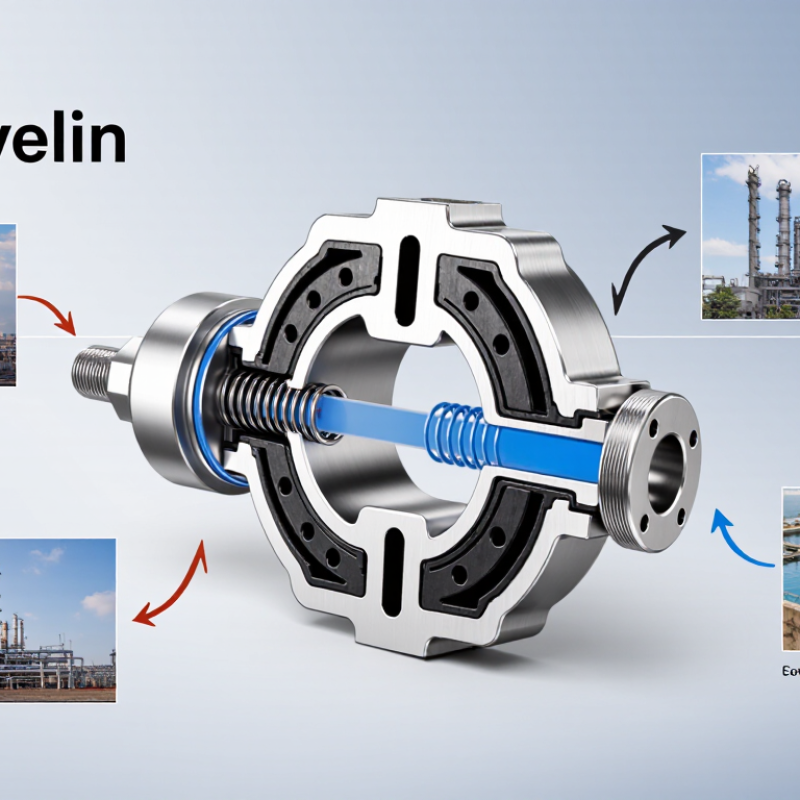
A single cartridge mechanical seal is a pre-assembled sealing unit built around one set of sealing faces. It typically includes a rotating face, a stationary face, springs, secondary seals, a sleeve, and a gland plate. The faces meet at the pump shaft, forming a very thin sealing interface. The cartridge arrives with key components aligned, so installers do not need to set each seal part individually. Less guesswork. “Single” describes the seal arrangement, not the number of cartridge parts.
During operation, a microscopic fluid film helps lubricate and cool the faces. If the pump runs dry, vibrates heavily, or handles abrasive particles, that film can fail and wear may accelerate. The U.S. Department of Energy’s Improving Pumping System Performance: A Sourcebook for Industry reports that pumping systems account for nearly 20% of global electricity demand. That figure describes pumps, not seals, but it shows why dependable pump operation matters. A cartridge seal cannot correct poor alignment or unsuitable operating conditions.
For example, a technician can slide the sleeve onto a shaft, secure the gland, and tighten the drive components according to the manufacturer’s instructions. Cleanliness matters: grit on a polished face can create a leak path. Cartridge construction can simplify installation, yet it does not make selection foolproof. That deserves a second look. Process fluid, temperature, pressure, shaft movement, and dry-running risk all affect suitability. The right seal starts with the actual duty, not a catalogue description.
How Single Cartridge Mechanical Seals Work
China Best Single Cartridge Mechanical Seal Suppliers?
How Single Cartridge Mechanical Seals Work
A single cartridge mechanical seal arrives as a preassembled unit, with its sealing faces, springs, sleeve, and gland set together. During installation, the unit slides onto the pump shaft and bolts to the stuffing box. This reduces measuring and handling at the pump.
Less guesswork.
When the pump runs, one seal face rotates with the shaft while the other stays fixed. A very thin fluid film between them helps limit friction and leakage. Springs maintain contact as the faces respond to small movements and wear. The seal’s secondary seals, often O-rings, close gaps around the shaft and gland.
Real conditions matter. Fluid temperature, pressure, shaft speed, and lubrication all affect seal life. A pump that runs dry, even briefly, can overheat the faces and cause damage. Check the installation instructions and confirm that the seal arrangement suits the process fluid. In practice, a cartridge makes fitting more controlled, but it cannot correct poor alignment or an unsuitable operating setup.
The detail is easy to miss.
Key Criteria for Evaluating Chinese Suppliers
For a single cartridge mechanical seal, supplier selection should begin with operating conditions, not a catalog photo. Share the fluid, temperature, pressure, shaft speed, and equipment drawing. A capable engineering team should explain how its proposed face materials, elastomers, and metal parts fit those conditions. Details matter. Check that dimensions and installation instructions match the actual pump, since a small mismatch can delay commissioning.
Ask for material traceability, inspection records, and test procedures relevant to the seal design. Request a sample or a documented reference configuration when the application is unfamiliar. A polished catalog proves little. Compare how clearly suppliers answer technical questions, handle drawing revisions, and describe production checks. Price matters, but a low quotation without defined materials or tolerances is difficult to evaluate fairly.
Review delivery estimates, replacement-part availability, and after-sales support in writing. If possible, assess the workshop’s machining, assembly, and inspection processes, either through a visit or credible audit records. This check is not perfect; a sample cannot predict every production run. I would also avoid assuming that a large factory is automatically the best fit. Consistent documentation and practical communication often reveal more than promises, though these checks take time.
Types of Suppliers and Their Manufacturing Capabilities
China’s single-cartridge mechanical seal suppliers generally fall into three groups: integrated manufacturers, specialist seal workshops, and engineering distributors. Integrated factories may control design, machining, lapping, assembly, and testing. Specialist workshops often focus on seal faces and elastomer combinations. Distributors can provide application support, but may outsource production. That distinction matters.
Grand View Research reported that the global mechanical seals market was valued at about USD 3.3 billion in 2022, with a projected 4.8% compound annual growth rate from 2023 to 2030. This market estimate signals broad industrial demand; it does not prove any supplier’s production quality. Buyers should request process records, material certificates, and test documentation. Look for measurable capabilities, such as face flatness inspection, controlled assembly areas, and pressure-test equipment.
For a cartridge seal, ask whether the supplier can machine sleeves and glands in-house, or relies on outside vendors. Request test conditions that match the intended pump service, including pressure, speed, and fluid temperature. A documented quality system helps, but it is not a substitute for inspection. A polished brochure proves little. Grand View Research, Mechanical Seals Market Size, Share & Trends Analysis Report, 2023–2030.
China Single Cartridge Mechanical Seal Suppliers: Typical Manufacturing Capabilities
A qualitative comparison of common supplier types across key production capabilities.
Ratings use a 1–5 scale (1 = limited, 5 = strong) and describe typical capability profiles, not audited data for individual suppliers. Actual capabilities vary by facility, product range, and quality system.
How to Match a Supplier to Your Application
Matching a single cartridge mechanical seal starts with the actual duty, not a supplier’s product range. Share the pump model, shaft diameter, seal chamber dimensions, operating pressure, temperature, and speed. Describe the fluid, including solids, viscosity, and any tendency to crystallize. A few drops of abrasive slurry can change the choice of face material or flushing plan.
Ask suppliers how they selected the materials and design for your conditions. Request a dimensional drawing and confirm cartridge length, connection details, and installation clearance before ordering. For hot water, chemical service, or frequent starts and stops, ask what limits apply to the proposed elastomers and faces. Small details matter. I would not treat a catalog match as proof. A brief technical review using your operating data is more dependable.
Check whether the supplier can explain failure risks, recommend a suitable support arrangement, and provide inspection or installation guidance. Ask for evidence from similar duties, while checking that the comparison is genuinely relevant; “similar fluid” may not mean similar pressure or solids content. Ask for evidence. Also compare lead time, spare-part availability, and response during commissioning. A lower quote may still fit, but only if the scope, materials, and service support are clear. One detail is easy to miss: verify the seal against the pump drawing, not just the pump name.