
iGene Labserve

China Top 10 Skin Imaging System Manufacturers?

China’s skin imaging system market includes manufacturers serving dermatology clinics, aesthetic centers, research institutions, and skincare laboratories. This guide examines ten notable Chinese suppliers and explains why they deserve attention. The selection considers imaging accuracy, product design, software capability, clinical usability, and after-sales support.

A reliable system should produce consistent images under controlled lighting. It may use polarized light, ultraviolet imaging, or three-dimensional facial analysis. These features can reveal pigmentation, pores, redness, texture, and moisture-related patterns. Practical details matter too. Operators need adjustable cameras, clear software reports, stable image storage, and simple patient comparison tools. A device that looks impressive at a trade show may perform differently in a busy clinic.

The ranking should not be treated as an absolute verdict. No list is flawless. Some manufacturers publish detailed technical data, while others provide limited information about sensors, calibration, or software updates. This guide therefore encourages buyers to verify certifications, test sample images, review training services, and request local technical support before purchasing. A lower-ranked company may still suit a smaller clinic, a regional distributor, or a specialized research project.

The following overview compares each manufacturer’s background, core products, imaging functions, target users, and market strengths. It also highlights possible limitations, because transparent evaluation builds greater trust. Buyers should assess image consistency, data protection, workflow compatibility, and total ownership costs. Strong equipment helps, but trained operators and consistent scanning conditions remain equally important.
China Top 10 Skin Imaging System Manufacturers?

What Is a Skin Imaging System and How Does It Work?

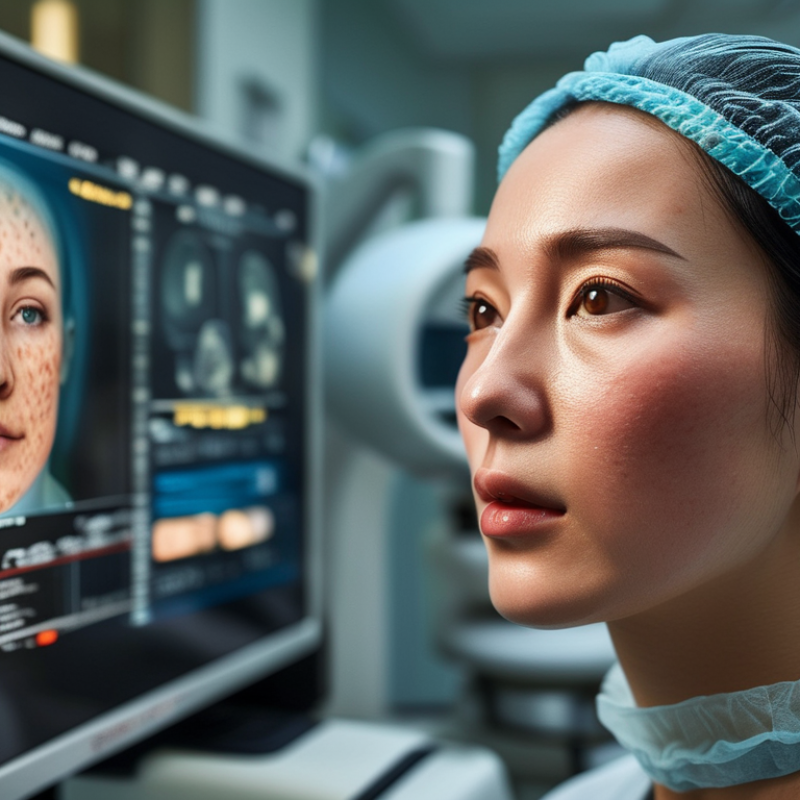
A skin imaging system is a clinical device that captures enlarged, standardized images of the skin. It can reveal visible features such as redness, uneven pigmentation, pores, wrinkles, and lesion borders. Some systems use polarized light, ultraviolet illumination, or several wavelengths to show details hidden under ordinary room lighting. The equipment does not replace professional judgment. It supports closer observation.

During an examination, the patient usually rests the face or body part in a fixed position. The camera records images from controlled distances and angles. Software then compares areas, measures color changes, and stores images for later review. A clinician may examine a dark spot today and compare it with an image taken months later. Small changes become easier to notice.

Image quality depends on practical details. Movement, oily skin, room light, camera pressure, and inconsistent positioning can affect results. Not every software score is correct. That deserves caution. A trained professional should review the images alongside medical history and direct examination. The system can document patterns, but it cannot independently confirm a diagnosis. Reliable clinics also protect image privacy, explain consent clearly, and maintain consistent operating procedures. In my view, the strongest value is not dramatic visualization; it is repeatable documentation that helps support informed skin-care decisions.

How China’s Skin Imaging System Manufacturing Industry Has Developed

China’s skin imaging system industry has changed from basic photographic equipment into a more connected medical technology field. Early systems mainly captured surface images under fixed lighting. Newer equipment can combine polarized light, ultraviolet imaging, and three-dimensional facial mapping. This shift reflects stronger local skills in optical design, sensors, software, and precision assembly.

Leading Chinese manufacturers now build more components domestically, including cameras, light sources, touch displays, and image-processing modules. This has reduced dependence on overseas supply chains and shortened product development cycles.

In many factories, technicians test color consistency with calibration cards before shipment. They also inspect image clarity at different distances. Small details matter.

Software has become equally important. Modern platforms can store time-based images, mark skin areas, and support professional consultations. Some systems use artificial intelligence to identify visual patterns, but results still require trained human judgment. Data protection and informed patient consent are becoming central design requirements.

However, development remains uneven. Calibration may differ between devices, and image quality can change with room lighting or operator technique. Rural clinics may also face limited training and maintenance support. These weaknesses deserve more attention as the industry pursues faster innovation and wider clinical use.

Who Are the Top 10 Skin Imaging System Manufacturers in China?

Who Are the Top 10 Skin Imaging System Manufacturers in China?

China’s top ten skin imaging system manufacturers are usually judged by clinical experience, image quality, software stability, and service coverage. The leading group includes developers of multispectral cameras, polarized-light analyzers, facial scanners, scalp imaging devices, and portable dermoscopy systems. Some manufacturers focus on hospital-grade equipment, while others build compact systems for dermatology clinics and aesthetic practices.

Look for suppliers with controlled lighting, calibrated cameras, and repeatable imaging results. A reliable system should capture pores, pigmentation, redness, wrinkles, and vascular patterns under consistent conditions. Clear software matters too. Doctors need readable reports, adjustable comparison images, and secure patient records. In practice, local technical support can be as important as optical performance. Fast maintenance reduces downtime during busy clinic hours.

The strongest manufacturers usually provide testing data, operator training, and documentation for medical use. However, “top ten” lists can be misleading. Some companies publish impressive specifications but offer limited after-sales support. Others have excellent service but weaker analysis software. I would inspect sample images, warranty terms, calibration procedures, and user feedback before choosing a supplier. Ask for a live demonstration. Check difficult cases, not only perfect skin photographs. Performance may change under bright rooms, different skin tones, or rushed operation. That detail deserves more attention.

How to Compare China’s Leading Skin Imaging System Brands

Comparing China’s leading skin imaging system brands requires more than checking price and pixel count. A reliable review starts with clinical purpose. Consider whether the system supports acne analysis, pigmentation tracking, vascular assessment, or treatment documentation. Different clinics need different imaging depth and lighting conditions.

Inspect the camera system closely. Polarized, cross-polarized, and ultraviolet images can reveal different skin features. Ask for sample images taken under consistent settings. Sharp images matter, but color accuracy matters more. A high-resolution camera may still produce misleading results if lighting changes between visits. This is easy to overlook.

Software deserves equal attention. Compare report templates, patient history tools, image export options, and data protection controls. Request a live demonstration instead of trusting screenshots. Check training quality, response times, warranty terms, and replacement-part availability. Ask whether local engineers can calibrate the device. Small delays can disrupt a busy consultation room.

Independent evidence should guide the decision. Look for published validation, documented testing methods, and transparent technical specifications. Confirm that the system follows applicable medical-device requirements in its target market. Do not treat every “AI analysis” claim as clinical proof. In practice, operators also influence results. Poor positioning can weaken a good device. I would test each shortlisted system with the same volunteers, lighting, and workflow before purchasing. The comparison may expose weaknesses that brochures hide.

China Top 10 Skin Imaging System Manufacturers? - How to Compare China’s Leading Skin Imaging System Brands

Comparison Profile Core Imaging Modes Common Analysis Functions Camera / Image Information Software and Reporting OEM / ODM Availability Compliance Evidence to Request Recommended Verification Focus
Profile 01 Visible light, polarized light, UV or simulated UV Spots, pores, wrinkles, texture, redness and pigmentation comparison Resolution and sensor specifications should be confirmed from the technical sheet Before-and-after images, customer records and basic treatment reports Typically available; confirm logo, enclosure and interface customization ISO 13485, electrical safety and EMC documents where applicable Image consistency, lighting uniformity and repeatability between operators
Profile 02 RGB, cross-polarized and UV imaging Oil, moisture, sensitivity indicators, pores and fine lines Check whether resolution is native or software-enhanced Multi-zone scoring, visual comparison and printable consultation reports Often offered for clinics, distributors and private-label projects Declaration of conformity, risk-management file and test reports Accuracy of algorithm outputs and availability of calibration procedures
Profile 03 Visible light, polarized light and optional UV module Pigment distribution, vascular appearance, wrinkles and skin texture Confirm field of view, focal distance and capture-time consistency Cloud or local storage, trend charts and treatment-plan support Confirm software language, API access and database ownership Data-protection documentation and applicable regional registrations Patient-data security, account permissions and backup policy
Profile 04 RGB and polarized imaging with structured illumination Wrinkle depth estimation, pore visibility, redness and pigmentation Ask for objective measurement data rather than marketing resolution alone Automated facial positioning, comparison scoring and exportable reports Customization may include casing, workflow and report templates Factory quality system, electrical testing and software validation evidence Mechanical stability, facial-positioning accuracy and serviceability
Profile 05 RGB, polarized, UV and optional blue-light imaging Acne-related observations, oil, pores, pigmentation and redness Verify illumination wavelength, exposure control and white balance Consultation reports, product recommendations and progress tracking Confirm minimum order quantity, sample policy and technical support UV safety information and applicable product classification documents Safety of illumination, customer workflow and training materials
Profile 06 High-resolution RGB and cross-polarized imaging Fine lines, texture, pores, dark spots and facial-zone comparison Check actual captured-image dimensions and compression settings Local software, user accounts, PDF export and multilingual interfaces Confirm software update method and long-term licensing terms Software cybersecurity, privacy controls and quality-inspection records Total cost of ownership, licensing fees and replacement-part availability
Profile 07 Visible, polarized and UV-based imaging Hydration-related appearance, oil, wrinkles, pigmentation and pores Request a demonstration using identical lighting and the same subject Automated scoring with customizable thresholds and consultation records Evaluate documentation quality, onboarding and after-sales response Calibration records, user manual and region-specific compliance evidence Ease of use, capture speed and staff training requirements
Profile 08 RGB, cross-polarized, UV and optional 3D facial imaging Surface texture, wrinkles, pores, pigmentation and facial symmetry For 3D functions, verify depth accuracy and scanning range 3D visualization, longitudinal records and multi-user management Confirm hardware roadmap and compatibility with clinic software 3D measurement validation and applicable electrical and EMC testing Actual clinical value of 3D features versus additional cost
Profile 09 RGB and polarized imaging with selectable illumination modes Pigment, redness, pore visibility, wrinkles and texture analysis Check lens distortion, focus consistency and illumination lifetime Basic analysis dashboard, treatment notes and image archiving Confirm customization limits and availability of spare components Production inspection records, warranty terms and service procedures Value for money, warranty coverage and maintenance requirements
Profile 10 Visible light, polarized light, UV and optional multispectral imaging Comprehensive assessment of pigmentation, redness, pores, wrinkles and texture Multispectral claims require wavelength, sensor and validation details Advanced reports, historical comparisons, cloud access and data export Confirm integration, localization, private labeling and support coverage Request certificates, test reports, software validation and privacy documentation Independent performance testing, data ownership and regulatory suitability

Note: Manufacturer identities are intentionally omitted. Specifications and compliance status should be confirmed against the current technical file, user manual, test reports and product sample before purchase.

What Factors Should Buyers Consider Before Choosing a Manufacturer?

When comparing China’s top 10 skin imaging system manufacturers, buyers should look beyond rankings. A polished camera does not guarantee reliable clinical evidence. The JAMA Dermatology meta-analysis reported pooled AI performance of about 87% sensitivity and 91% specificity for skin cancer diagnosis. However, performance varied across datasets and skin tones. Ask manufacturers for validation results from diverse populations, not only laboratory images.

Check image quality under real clinic conditions. Request sample images taken under different lighting, with and without makeup, and across various skin tones. Stable color calibration matters. So does repeatability. A useful system should produce similar images during follow-up visits. Buyers should also review camera resolution, depth capture, ultraviolet imaging, software compatibility, and export formats. Grand View Research identifies artificial intelligence and cloud connectivity as major growth drivers in medical imaging markets, but connectivity can create practical risks. Weak internet access may interrupt consultations.

Manufacturer reliability needs equal attention. Confirm quality-management certification, cybersecurity controls, warranty terms, calibration schedules, and local technical support. Ask who owns patient data and how deletion requests are handled. Total cost includes training, software subscriptions, repairs, and integration fees. Request audited test reports and customer references. Be careful with impressive accuracy claims. They may reflect selected cases rather than routine practice. I would also test the system for two weeks before purchase, because brochures rarely show workflow delays, confusing interfaces, or uncomfortable patient positioning.