Top 10 Essential Science Lab Equipment For Schools to Foster Learning?
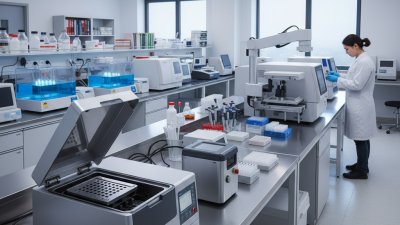
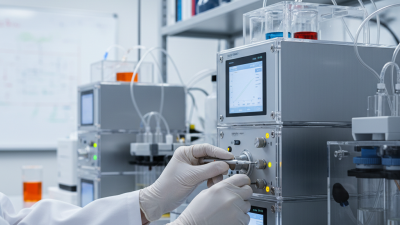
In modern education, Science Lab Equipment for Schools plays a crucial role in fostering effective learning. Schools need the right tools to ignite curiosity among students. These tools can transform theoretical knowledge into hands-on experiences. A well-equipped science lab allows students to experiment, explore, and learn actively.
Essential lab equipment includes simple tools like beakers and test tubes. These items don’t just facilitate experiments; they cultivate critical thinking. However, schools often overlook the importance of these resources. Budget constraints can limit access to quality equipment. This can hinder students’ understanding of scientific concepts.
Not every lab is perfectly organized. Sometimes, outdated equipment causes confusion. Students might struggle without proper guidance. Reflecting on these challenges can lead to better implementations in science education. Investing in adequate Science Lab Equipment for Schools can ultimately enhance student engagement and comprehension.
Essential Science Lab Equipment Overview for Educational Institutions
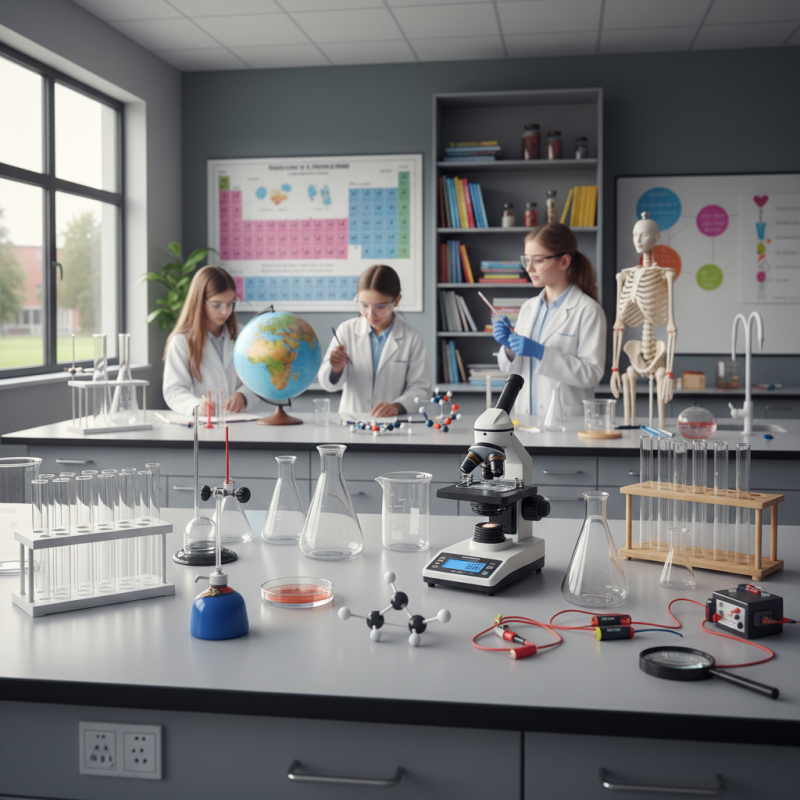
In the world of education, science labs play a vital role in hands-on learning. Essential equipment can greatly enhance students' understanding of scientific concepts. Not all schools have the same resources. However, some tools are universally crucial.
Beakers and test tubes are staples in any lab. They allow students to mix substances and observe reactions. Microscopes provide a close-up view of tiny organisms, igniting curiosity. Safety equipment, like goggles and gloves, is also crucial. Without proper safety gear, experiments can turn dangerous. Consider that not all students may feel comfortable with these tools initially. Some may dread the idea of handling chemicals or using sharp instruments.
Another key area is measurement tools. Scales and thermometers are common but often overlooked. High-quality scales can ensure accurate data collection. A discrepancy in measurements can lead to confusion. Students might question their results if clarity is not established. Encouraging dialogue about potential mistakes is part of the learning process. Overall, equipping schools with the right tools encourages exploration and collaboration among students.
Top 10 Essential Science Lab Equipment For Schools to Foster Learning
| Equipment |
Purpose |
Key Features |
Estimated Cost ($) |
| Microscope |
To observe small organisms and cells |
Magnification levels, durable construction |
300 |
| Beakers |
For measuring and mixing liquids |
Various sizes, heat resistant |
15 |
| Test Tubes |
For holding and mixing small amounts of substances |
Glass or plastic, with racks |
10 |
| Pipettes |
For transferring small volumes of liquid |
Precision tips, varying sizes |
5 |
| Balances |
For measuring mass |
Digital display, high accuracy |
200 |
| Safety Goggles |
To protect eyes during experiments |
Anti-fog, scratch resistant |
8 |
| Petri Dishes |
For growing cultures |
Sterile, clear bottom |
20 |
| Hot Plates |
For heating substances |
Adjustable temperature, safety features |
100 |
| Bunsen Burner |
For providing heat from combustion |
Adjustable flame, durable materials |
50 |
| Lab Coats |
To protect skin and clothing |
Chemical resistant, various sizes |
30 |
Importance of Quality Lab Equipment in Fostering Scientific Learning
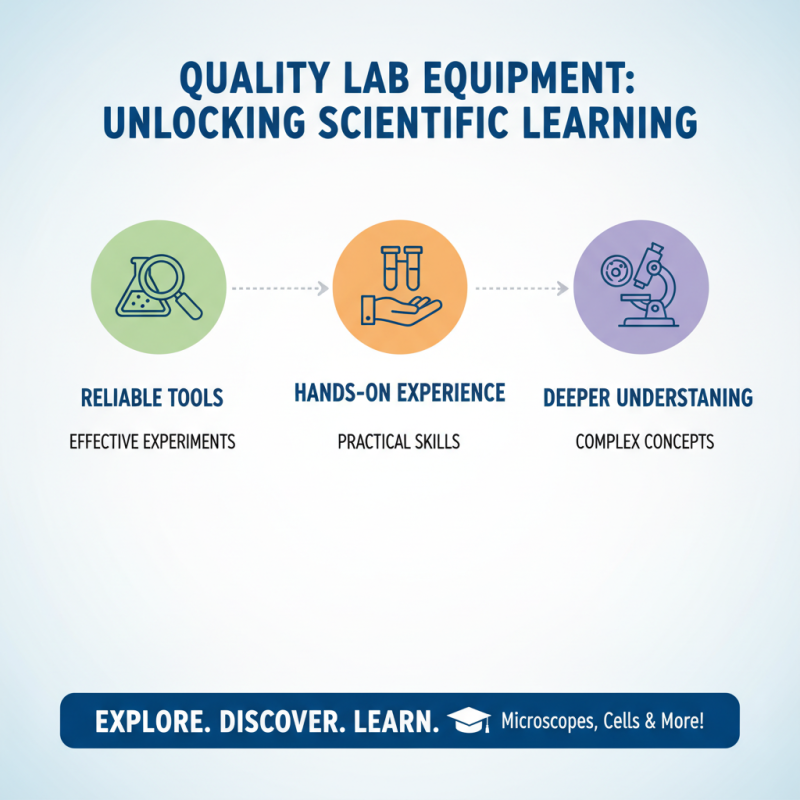
Quality lab equipment is essential for fostering scientific learning in schools. Effective experiments require reliable tools. When students engage with real equipment, they gain practical skills. This hands-on experience solidifies their understanding of complex concepts. For example, using microscopes allows students to explore the microscopic world. They see cells and microorganisms come to life.
However, not all schools have access to quality equipment. Some labs are outdated or poorly maintained. This can hinder effective learning. Students may feel frustrated when tools do not work as expected. It is important to address these gaps. Schools should prioritize investing in updated resources.
Moreover, teachers need training on the use of this equipment. They can create engaging lessons that encourage exploration. Without proper guidance, students might struggle to connect theory with practice. Inconsistent experiences can lead to confusion. Creating a robust science program requires ongoing reflection and improvement. Quality lab equipment plays a pivotal role in shaping future scientists.
Key Features to Consider When Selecting Lab Equipment for Schools
Selecting the right science lab equipment for schools is crucial for effective learning. A report from the National Science Teachers Association indicates that hands-on learning can boost student engagement by 70%. Therefore, essential equipment should facilitate active participation in experiments and projects. When choosing lab tools, consider the age group of students. Safety features are paramount for younger learners. Equipment should include child-safe designs to ensure a secure learning environment.
Another critical aspect is durability. Science equipment experiences frequent use, making durability essential. Reports show that nearly 40% of educational institutions face financial constraints. Investing in robust equipment can prevent frequent replacements and reduce long-term costs. Additionally, consider ease of use. Complicated apparatus may hinder learning. Devices with intuitive designs encourage students to explore and discover independently.
A laboratory rich in diversity enhances learning experiences. Varied equipment allows students to engage with concepts visually and practically. However, a lack of guidance can lead to confusion. Some students may feel overwhelmed by too many choices. Regular assessments of equipment relevancy to the curriculum can help. Aligning tools with educational goals is essential for fostering deeper understanding.
Top 10 Essential Science Lab Equipment for Schools
Top 10 Must-Have Lab Instruments to Enhance Student Engagement
Creating an engaging science lab environment is crucial for student learning. Here are ten essential lab instruments that can spark curiosity and enthusiasm among students.
First up, microscopes. They allow students to explore the unseen world. Observing cells and microorganisms brings science to life. Students are often amazed at what they find.
Next, we have beakers and test tubes. These basic tools encourage hands-on experiments. Mixing substances can lead to unexpected reactions. Sometimes, experiments don't go as planned, leading to discussions about outcomes. This trial-and-error process helps students learn resilience. Also, safety goggles are vital. They teach responsibility while protecting eyes during experiments.
It's important to integrate technology, too. Digital scales and electronic timers can make measurements precise. But, not every student feels comfortable using them at first. Some may struggle with the exactness required. This is an opportunity to foster teamwork and problem-solving skills. By addressing challenges together, students deepen their understanding and build stronger bonds. Engaging with lab equipment not only enhances knowledge but also inspires a love for science.
Safety Considerations in School Science Laboratories and Equipment Usage
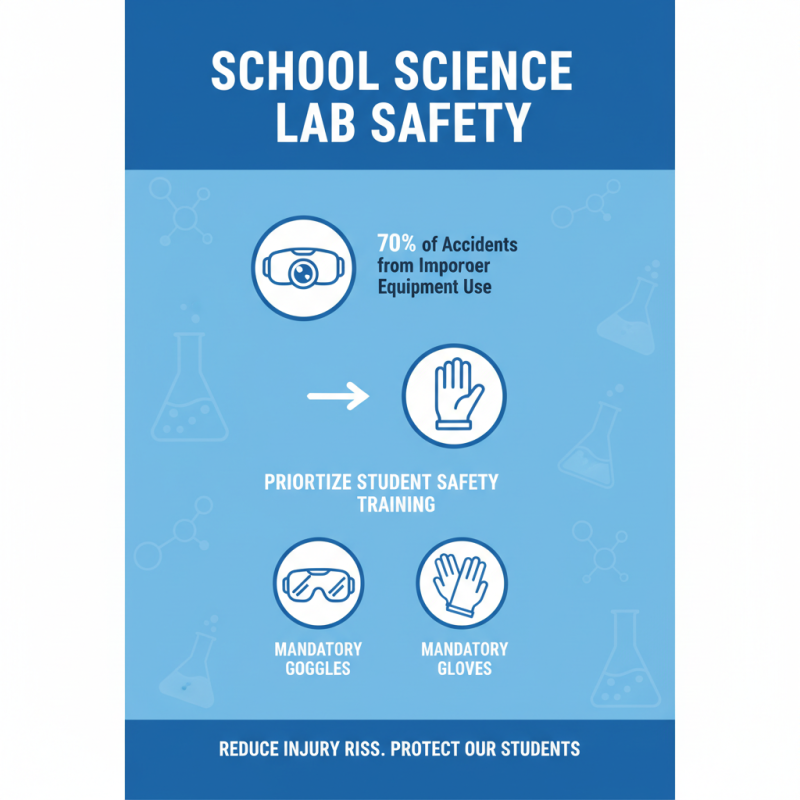
Safety in school science laboratories is critical. Research indicates that around 70% of school lab accidents stem from improper usage of equipment. Schools must prioritize training students on safety protocols. Basic safety gear, such as goggles and gloves, should be mandatory during all experiments. This simple step can significantly reduce injury risks.
Moreover, proper maintenance of lab equipment is vital. Equipment that is worn out or malfunctioning can lead to hazardous situations. According to a report by the National Center for Education Statistics, schools that conduct regular safety audits reduce incidents by nearly 40%. Regular checks and updates on safety equipment are essential. This includes ensuring that eyewash stations are functional and fire extinguishers are up to date.
Curriculum development should integrate safety training as part of science education. It's about making students aware of the potential dangers. For instance, chemicals should be labeled clearly, and their hazards explained in classroom settings. While safety protocols exist, complacency can lead to oversights. Engaging students in discussions about safety can foster a culture of awareness and responsibility.