How to Choose a Central Driving Concentrator in 2026?
Choosing a Central Driving Concentrator in 2026 is not just a matter of comparing prices or motor ratings. The right unit must match the application, operating schedule, required capacity, and available installation space. A machine that looks strong on a specification sheet may struggle under continuous load. Small details matter. Check the nameplate, service clearances, ventilation path, and access to routine maintenance points before comparing models.
Quality expert W. Edwards Deming wrote, “Quality comes not from inspection, but from improvement of the production process.” His work was not specific to concentrators, but the principle is useful: assess how a unit is designed, tested, and supported, not just its final inspection figures. Ask manufacturers for documented performance data under stated conditions. Confirm how efficiency, noise, temperature, controls, and service intervals are measured. Compare like with like. If a specification lacks test conditions, treat it cautiously and request clarification.
This guide explains how to assess those factors and weigh them against real operating needs. It also considers installation constraints, lifecycle costs, reliability evidence, and supplier support. A careful shortlist helps. Still, no single checklist can replace an application-specific review; that part is easy to underestimate. By the end, you should be better prepared to identify a Central Driving Concentrator that fits the job—not merely the brochure.
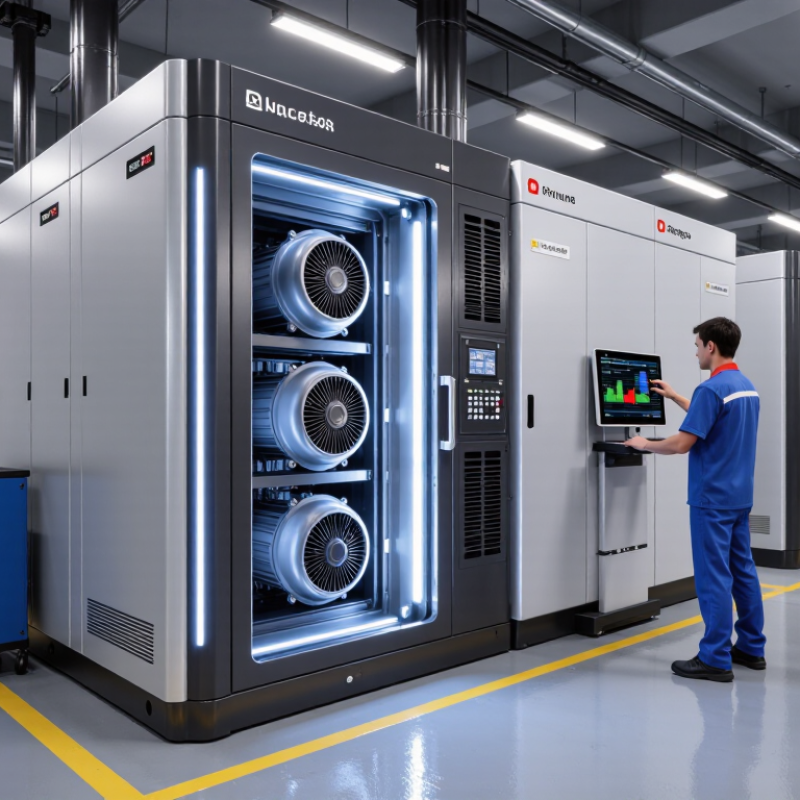
Define the Purpose and Operating Requirements of a Central Driving Concentrator
A central-drive concentrator, often called a center-drive thickener, should be selected for its process duty—not just its tank diameter. Is the goal to recover water, raise underflow density, or stabilize feed to the next stage? Each duty changes the required settling area, rake torque, and discharge capacity.
The USGS Mineral Commodity Summaries 2025 estimates global mined copper production at 23 million metric tons in 2024. That scale reflects sustained mineral-processing demand, but it does not determine an individual plant’s equipment size. Site data must.
Start with measured feed flow, solids concentration, particle-size distribution, and mineral characteristics. Run settling tests using the actual slurry and proposed flocculant; laboratory samples can still miss shifts in ore. Record target overflow clarity and underflow density, then check how these vary during peak throughput.
Small details matter. Specify rake lifting or torque protection for changing bed loads, plus access for inspecting the drive and scraper blades. Dust, temperature, corrosion, and available maintenance staff also affect reliable operation.
A design that meets average flow may struggle during a short production surge. Treat the operating envelope as a testable range, and leave room to revise assumptions.
Assess Capacity, Performance, and Key Technical Specifications
Selecting a central driving concentrator begins with demand, not the largest capacity on a specification sheet. Estimate peak simultaneous use, daily operating hours, and expected expansion. Include reserve capacity for maintenance or a unit failure. Real demand is rarely tidy. A ward with several outlets may have short, sharp peaks that an average-flow calculation misses. Ask the supplier for output-flow curves, not just the maximum-flow figure, and check rated performance at your site’s temperature and altitude.
Compare oxygen concentration, outlet pressure, flow stability, power use, alarms, and service intervals. The WHO’s Technical Specifications for Oxygen Concentrators sets a minimum oxygen concentration of 82% at rated flow; confirm performance across the flow range you expect to use. ISO 80601-2-69:2020 covers essential safety and performance requirements for oxygen concentrator equipment. Check the curve. A high flow rate is not useful if purity falls under load. Review alarm visibility, backup arrangements, and filter access with the people who will operate and maintain the system. A paper capacity can still mislead; record actual demand and verify it during commissioning.
Compare Safety Features, Reliability, and Maintenance Needs
How to Choose a Central Driving Concentrator in 2026?
Compare Safety Features, Reliability, and Maintenance Needs
A central driving concentrator should fit the site’s actual oxygen demand, operating hours, and backup arrangements. Start with documented safety functions, not a polished product description. Check whether alarms cover power loss, low pressure, and oxygen purity, and confirm how staff can hear or see them in a noisy room. Alarm details vary by model. Ask for written specifications and clear instructions for responding to each warning. That matters.
Reliability depends on more than a strong first impression. Review expected service intervals, operating limits, and the availability of qualified technicians. If possible, examine maintenance records from similar installations. Ask how the unit behaves during continuous operation and what happens when a component needs replacement. A quiet machine is not necessarily a dependable one. I would not treat a sales demonstration as proof of long-term performance.
Maintenance needs should be practical for the people who will use the equipment every day. Check how filters are accessed, how often they need attention, and whether routine checks require special tools. Keep space around the intake clear, record service dates, and make sure staff know whom to contact when an alarm appears. Small details count. A backup supply and a written response plan can reduce disruption, but their suitability should be confirmed with the facility’s technical and clinical advisers. A missed maintenance check can happen; the process should make it easy to notice and correct.
Check Site Compatibility, Installation Requirements, and Support
Choosing a central driving concentrator in 2026 starts with the roadside cabinet, not the product sheet. Check supply voltage, grounding, cabinet space, temperature range, and communication links at every proposed site. Confirm that existing controllers and network protocols can exchange the data the concentrator needs. A connector that fits is not proof of compatibility. Small details matter.
The Federal Highway Administration’s Adaptive Signal Control Technology overview reports travel-time reductions of 10 percent or more in some deployments. That potential depends on reliable field data and a suitable site. Before installation, map cable routes, confirm network access, and identify any traffic disruption or power shutdowns. Record baseline signal and communication performance; otherwise, later comparisons can be fuzzy. A neat drawing can still miss a blocked conduit.
Support matters after commissioning. Ask who handles configuration, firmware updates, fault diagnosis, and replacement parts, and what response times are realistic. Request clear logs and a documented escalation path. A pilot at one representative intersection can reveal coverage gaps before wider rollout. FHWA’s findings are useful context, not a promise: local traffic patterns, legacy equipment, and maintenance capacity all affect results. Sometimes the site is the problem. Cite: Federal Highway Administration, Adaptive Signal Control Technology overview.
Evaluate Compliance, Lifecycle Costs, and Supplier Credentials
How to Choose a Central Driving Concentrator in 2026?
Compliance should be checked against the equipment’s intended use and the rules where it will be installed. Ask for current conformity documents, test records, and clear installation requirements. Confirm that stated output, pressure, purity, and alarm functions match your facility’s demand. A brief review of peak-use records can reveal gaps that a brochure will not. Small details matter.
Look beyond the purchase price. Compare electricity use, filter changes, planned servicing, expected component life, and the cost of downtime. Ask suppliers to itemize these costs over a realistic operating period, not just year one. Check how quickly routine parts can arrive and whether maintenance requires a full system shutdown. That adds up. Estimates still involve assumptions, and a spreadsheet can make uncertain service conditions look more precise than they are.
Supplier credentials deserve the same scrutiny as the equipment. Verify relevant technical training, documented service procedures, parts traceability, and references from facilities with similar demand. Ask who responds to an alarm after hours, and request a sample maintenance record. A polished sales presentation is not proof of dependable support. Compare written answers, not promises, and note any question the supplier cannot answer clearly.