What is Packaging Machinery and How Does It Benefit Your Business?
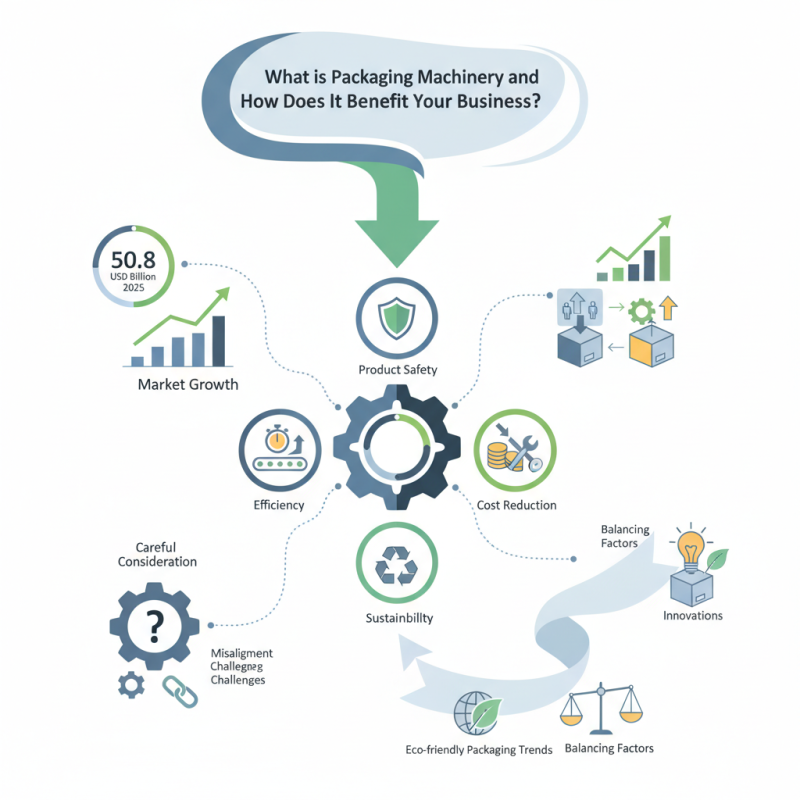
Packaging Machinery plays a vital role in modern industries. According to a report by MarketsandMarkets, the global packaging machinery market is projected to reach USD 50.8 billion by 2025, growing at a CAGR of 5.7%. This growth highlights the increasing demand for efficient packaging solutions. With businesses seeking to streamline their operations, investing in packaging machinery can lead to significant production enhancements.
The right packaging machinery not only improves efficiency but also enhances product safety. Machinery automates processes that were once manual. This minimizes human error and speeds up production. It can reduce the costs associated with packaging labor and materials. However, choosing the right machinery requires careful consideration. Not all equipment will meet specific business needs. A misalignment can lead to operational challenges and financial losses.
Furthermore, sustainability trends influence packaging machinery development. Many consumers prefer eco-friendly packaging. Machinery that supports sustainable practices can give companies a competitive edge. It is essential for businesses to stay updated with innovations in this field. Balancing cost, efficiency, and sustainability will be crucial for long-term success in the packaging sector.
Understanding Packaging Machinery: Definition and Overview
Packaging machinery plays a crucial role in various industries. This equipment helps automate the packaging process for a wide range of products. From food items to pharmaceuticals, packaging machinery ensures products are sealed, labeled, and prepared for distribution. This automation enhances efficiency and reduces labor costs, but it also raises questions about flexibility and adaptability.
Understanding the different types of packaging machinery is essential for any business. There are machines for filling, sealing, and labeling, each serving a specific purpose. Choosing the right machinery can be challenging. Businesses must consider the scale of production and the specific needs of their products. A mismatch can lead to increased waste or production delays.
Investing in packaging machinery is not just about innovation; it involves significant financial commitment. While the initial cost can be high, the long-term benefits often outweigh the investment. Still, companies must remain vigilant about maintenance and potential obsolescence. As technology advances, older machines can become less efficient over time, inviting new considerations for business owners.
Types of Packaging Machinery: From Fillers to Sealers
Packaging machinery plays a crucial role in the manufacturing landscape. Various types of machines streamline the process, ensuring efficiency and consistency. Fillers are among the most common. These machines accurately dispense liquids or powders into containers, reducing waste and speeding up production. Their precision can significantly lower costs.
Sealers are equally important. They securely close packages, preventing contamination and spoilage. The right sealing solution can enhance product safety. Not all sealers are equal, however. Some may struggle with specific materials. Regular testing and adjustments might be necessary to maintain effectiveness. This can be time-consuming, but it is essential for quality assurance.
Another type is labeling machines. These ensure that products are properly identified during distribution. Accurate labels help in compliance, but mistakes can happen. A misplaced label can lead to legal issues and financial loss. It’s vital to invest in reliable machinery that minimizes these risks. Businesses should continually assess their equipment to meet evolving requirements.
Key Benefits of Packaging Machinery for Business Efficiency
Packaging machinery plays a vital role in modern business. It streamlines various processes, enhancing overall efficiency. For manufacturers, this means faster production times. Time saved translates directly into cost reductions. Less manual handling also minimizes the risk of errors.
One key benefit is consistency in packaging quality. Machines ensure that every product is packaged uniformly. This consistency builds customer trust and brand reputation. Additionally, automated packing reduces labor costs. With robots and machinery handling repetitive tasks, workers can focus on more complex issues.
However, integrating packaging machinery is not without challenges. Investments in technology can be significant. Businesses must also train staff to operate new equipment. This shift may initially cause disruptions. Understanding these factors is essential for a smooth transition. Balancing innovation with practicality can lead to long-term gains.
Industry Statistics: Impact of Automation on Packaging Processes
The integration of automation in packaging processes has reshaped the industry landscape. Recent reports indicate that around 40% of companies have adopted automated packaging solutions. This shift is primarily driven by the need for efficiency and reduced labor costs. In terms of productivity, automated machinery can increase output by up to 50%. However, many businesses still face hurdles in effectively implementing these technologies.
Despite the advantages, not all companies are reaping the full benefits of automation. One study revealed that as high as 30% of firms struggle with the transition due to inadequate training and technical support. Additionally, operational interruptions can occur, leading to wasted resources. It's crucial for businesses to assess their readiness for automation carefully. Investing in workforce training can bridge the gap between technology and employee capabilities.
Moreover, the environmental impact of automated packaging is significant. Automated systems typically reduce waste by optimizing material usage. Companies report a decrease in waste by 20% after adopting these solutions. However, achieving sustainability requires continuous evaluation of practices. Businesses must remain vigilant about balancing automation benefits with ongoing operational challenges.
Future Trends in Packaging Technology and Machinery Innovations
As packaging technology evolves, businesses must adapt to stay competitive. Innovations include sustainable materials and automation. These advancements enhance efficiency and reduce waste. For instance, biodegradable packaging reduces environmental impact while appealing to eco-conscious consumers. Automation speeds up production, allowing companies to meet growing demands.
Artificial intelligence is making inroads into packaging machinery. AI can optimize processes, ensuring consistency and quality. However, integrating AI requires significant investment and training. Companies may struggle to find skilled personnel. The need for constant updates and maintenance can be overwhelming for some businesses.
Another trend is personalized packaging. Customized designs attract consumers and improve brand loyalty. Yet, creating tailored solutions can complicate production lines. Balancing personalization with efficiency remains a challenge. Companies must assess whether such innovations align with their overall strategy and customer base. Reflecting on these trends can help businesses navigate the future of packaging.
Packaging Machinery Innovations: Benefits Across Industries
This chart illustrates the percentage of efficiency improvement in packaging processes across various industries due to innovations in packaging machinery. The food and beverage sector shows the highest improvement, followed by pharmaceuticals and cosmetics, highlighting the significant impact of advanced packaging technology.