Top 10 Laboratory Instruments and Equipment You Need Today?
In today's fast-paced scientific environment, having the right Laboratory Instruments And Equipment can make all the difference. As Dr. Emily Carter, a renowned expert in laboratory technology, once stated, "The right tools empower researchers to unlock new discoveries." In this rapidly advancing field, staying updated with essential equipment is crucial.
Laboratories require precision tools, from pipettes to spectrophotometers. Each instrument plays a vital role in achieving accurate results. However, many labs still struggle with outdated equipment. This not only hampers efficiency but can also lead to erroneous data. Investing in modern Laboratory Instruments And Equipment is necessary for success.
Moreover, researchers should not overlook the importance of training. New equipment often comes with a learning curve. Teams must ensure they understand how to operate these tools effectively. Ultimately, the right Laboratory Instruments And Equipment can drive innovation and improve research outcomes significantly.
Top 10 Essential Laboratory Instruments for Modern Research Facilities
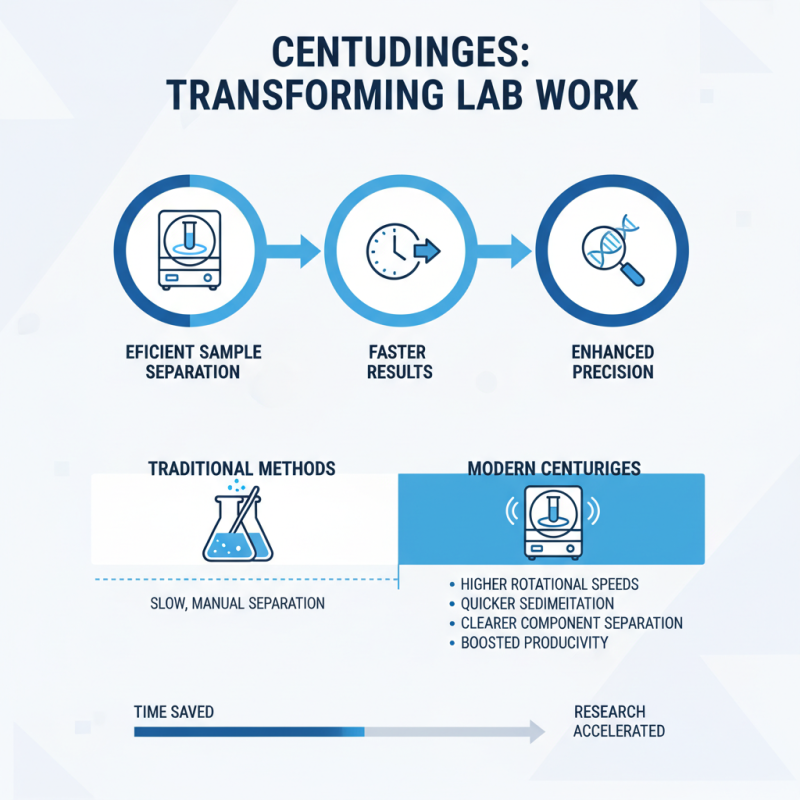
In modern research facilities, certain laboratory instruments are indispensable. They help streamline experiments and improve accuracy. One must-have is the analytical balance. It ensures precise measurements, which are crucial for reliable results. Another essential tool is the centrifuge, used to separate components in solutions. It offers speed and efficiency, saving researchers valuable time.
The use of a pipette is also critical in a lab setting. It allows for accurate liquid handling and minimizes contamination risks. However, maintaining calibration is often overlooked, leading to errors. Similarly, incubators provide controlled environments for cell cultures. They can be temperamental and require regular monitoring. Skipping maintenance can result in flawed experiments.
Microscopes are fundamental for detailed observation. They facilitate discoveries but can be challenging to master. Proper training is essential to maximize their potential. Lastly, having a reliable water bath aids in maintaining consistent temperatures for experiments. Researchers should remain vigilant about their equipment's functionality. Equipment failure can derail weeks of hard work. Regular checks and maintenance should not be neglected.
Analyzing the Role of Analytical Balances in Precision Measurement
Analytical balances play a crucial role in laboratories. They are designed to provide precise measurements. Accuracy is essential in research and quality control. A study indicated that nearly 80% of laboratory errors stem from inaccurate measurements. This highlights the importance of reliable equipment.
In practice, analytical balances can measure with an accuracy of 0.1 mg or better. This level of precision is vital in many scientific applications. For example, pharmaceuticals require exact measurements for dosage formulations. Any deviation can lead to significant consequences. The demand for high precision instruments has grown steadily. Some reports indicate a 15% increase in the market for analytical balances over the past five years.
Despite their importance, analytical balances are not infallible. Environmental factors, such as vibrations or air currents, can impact measurements. Regular calibration is necessary to maintain accuracy. However, many laboratories fail to implement consistent calibration schedules. This oversight can result in cumulative errors over time. Cells that lack proper monitoring can yield unreliable data. The need for diligent care is clear. Facilities must prioritize training and awareness around balance use.
Top 10 Laboratory Instruments and Equipment You Need Today
| Instrument Name |
Purpose |
Accuracy |
Typical Use |
Cost Range ($) |
| Analytical Balance |
Precision weight measurement |
0.1 mg |
Pharmaceuticals, research |
2000 - 8000 |
| Pipette |
Transfer liquid with precision |
±0.5% |
Biological assays |
20 - 300 |
| Spectrophotometer |
Measure light absorption |
±0.01 nm |
Chemical analysis |
1000 - 5000 |
| Centrifuge |
Separating components |
±10 rpm |
Biochemistry, diagnostics |
500 - 3000 |
| pH Meter |
Measure acidity/basicity |
±0.01 |
Water quality testing |
100 - 1500 |
| Microplate Reader |
Quantitative assays |
±1% |
ELISA, drug development |
1000 - 8000 |
| Gel Electrophoresis Unit |
Separate macromolecules |
Dependent on gel |
Genomics, proteomics |
200 - 2000 |
| Incubator |
Maintain optimal growth conditions |
±1 °C |
Cell culture, microbiology |
500 - 3000 |
| Autoclave |
Sterilization of equipment |
N/A |
Microbiology, research |
1000 - 6000 |
| Fume Hood |
Protect against hazardous fumes |
N/A |
Chemical handling |
3000 - 15000 |
Key Features and Applications of Modern Spectrophotometers
Modern spectrophotometers are essential tools in laboratories today. They measure light absorption, a key parameter in various scientific fields. These instruments help analyze the concentration of substances in solutions. Their versatility is impressive. They are used in environmental testing and pharmaceuticals. Quality control relies heavily on these devices.
For accurate results, calibration is crucial. Regular maintenance is necessary to ensure reliability. Some users overlook routine checks, leading to discrepancies in data. Spectrophotometers can measure in UV-visible ranges. This makes them suitable for biology, chemistry, and material science applications. However, interpreting results can sometimes be tricky. Users must understand the limitations of their data.
The user interface has improved significantly over time. Many devices now feature digital displays and software integration. This enhances usability but also requires training. New users may find the range of settings overwhelming. Proper guidance is critical to navigate these functions effectively. Despite these challenges, the benefits of modern spectrophotometers are undeniable. They enhance research and streamline workflows, making them indispensable in today’s laboratories.
Top 10 Laboratory Instruments and Equipment You Need Today
Importance of Safety Equipment in Laboratories: Eyewash Stations and Fume Hoods
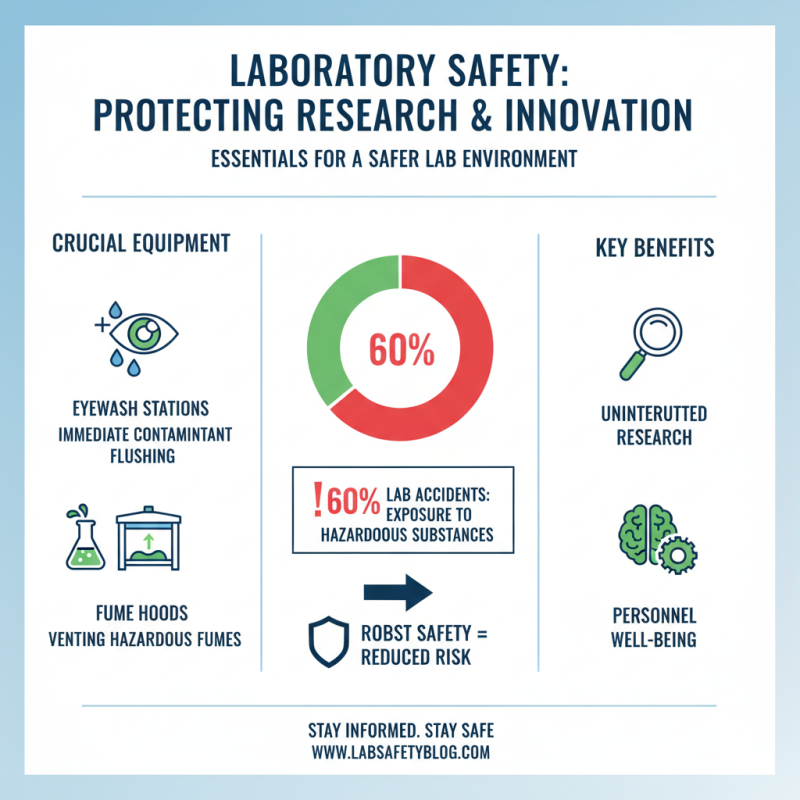
Laboratories are crucial spaces for research and innovation. However, they can also pose significant risks if proper safety measures are not in place. Eyewash stations and fume hoods are vital components in ensuring safety. An estimated 60% of laboratory accidents involve exposure to hazardous substances. This highlights the need for robust safety equipment.
Eyewash stations provide immediate access to decontaminate eyes after exposure. According to the American National Standards Institute (ANSI), these stations should be accessible within 10 seconds of any work area. Placement is essential. They should be near workstations and in clear sight. Regular maintenance is equally important. If the water flow is inadequate, the station fails to serve its purpose.
Fume hoods play a significant role in protecting personnel from harmful vapors. They work by ventilating hazardous fumes, maintaining a safe working environment. A well-functioning fume hood can reduce exposure by up to 99%. However, not all fume hoods are created equal. Routine testing is necessary to ensure they work correctly. Many labs overlook this aspect, which can lead to dangerous conditions.
Tips: Check eyewash stations monthly to ensure functionality. Define a maintenance schedule for fume hoods to avoid overlooking inspections. Safety should never be an afterthought in the laboratory.