
iGene Labserve

China Top 10 Permanent Formwork Magnet Manufacturers?

Selecting a reliable supplier for a Permanent Formwork Magnet involves more than comparing prices. On a precast line, a magnet must grip the steel bed, withstand vibration, and release cleanly. Small details matter. Magnetic force, housing design, machining tolerances, and consistent dimensions can affect setup time and panel quality. Catalog specifications are useful, yet they should be checked against samples and actual production conditions. That distinction matters.

This guide introduces ten Chinese manufacturers for buyers developing a practical shortlist. It considers product range, customization, manufacturing capability, quality control, and communication—not just promotional claims. Ask suppliers for technical drawings, material details, force-test methods, and sample units. Confirm that the magnet fits your formwork profile and production process. If possible, test it on your own steel table. A polished brochure cannot show every limitation.

The list should be treated as a starting point, not a final verdict. Supplier capabilities change, and available information may not tell the whole story. Rankings are imperfect. A smaller manufacturer may offer useful engineering support, while a larger one may have broader export experience. Buyers should verify current specifications, lead times, inspection procedures, and after-sales support directly. The best choice is the one that performs consistently in your working conditions.
China Top 10 Permanent Formwork Magnet Manufacturers?

What Permanent Formwork Magnets Are and How They Work

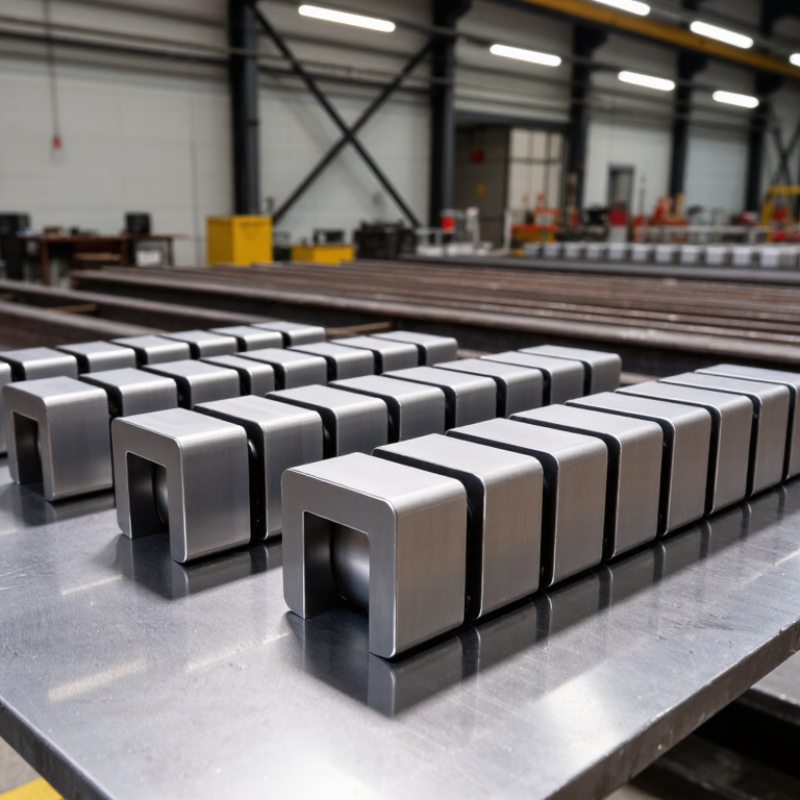
Permanent formwork magnets are compact fixtures that anchor removable formwork to a steel casting bed. A steel casing contains permanent magnets and a switching mechanism. When activated, the mechanism directs magnetic force toward the bed. The attraction holds the formwork in position as concrete is poured and vibrated. They hold. To release the unit, an operator uses its lever or release tool to redirect the magnetic field. This can speed up setup, but only when contact is clean and even.

In practice, crews place each magnet against a flat, compatible steel surface and check that it sits flush. Dust, dried concrete, paint buildup, or a warped bed can reduce contact and weaken the hold. Magnet spacing should suit the panel design, concrete pressure, and vibration conditions. The rated pull force is not a guarantee for every job; actual performance depends on surface condition and load direction.

Even a small gap matters. That detail is easy to miss, even on a familiar setup. Cleaning the bed and checking each fixture before pouring are simple steps, but they should not be treated as optional.

Key Criteria for Evaluating Chinese Formwork Magnet Manufacturers

Choosing a permanent formwork magnet manufacturer requires more than comparing prices. Check whether the supplier can explain its magnetic circuit, steel housing, and switching mechanism in clear technical terms. Ask for drawings showing dimensions, mounting points, and tolerances. Small differences matter when magnets must fit existing formwork.

Request test data for holding force, but read the conditions behind each figure. Steel thickness, surface flatness, and test direction can change results. Ask whether samples are tested on a representative steel plate, then inspect the magnet yourself. Look for smooth contact faces, secure welds, consistent coating, and a switch that locks firmly. A polished catalog proves little.

Production consistency matters. Compare several units from one batch, and ask how the factory checks dimensions and magnetic performance before shipment. Confirm material traceability, packaging methods, lead times, and how defects are handled. Request relevant quality documents, then verify their scope and dates rather than relying on a certificate image alone. Be cautious of unusually broad claims. A checklist cannot predict every jobsite condition; trial installation under realistic load and cleaning routines can reveal issues that paperwork misses. Clear, specific answers are a useful sign of dependable technical support.

Profiles of Ten Chinese Permanent Formwork Magnet Manufacturers

China’s permanent formwork magnet sector includes manufacturers with different strengths, from compact production shops to export-focused factories. These ten profiles highlight practical capabilities buyers can compare; they are not rankings.

Manufacturer One focuses on standard magnetic boxes for repeatable precast layouts. Manufacturer Two offers adjustable housings for varied formwork widths. Manufacturer Three emphasizes machined steel cases and close dimensional checks. Manufacturer Four develops higher holding-force units for heavier casting setups. Manufacturer Five supplies modular systems that can be repositioned along steel beds. Manufacturer Six concentrates on surface coatings and corrosion resistance. The finish matters.

Manufacturer Seven provides custom dimensions, though buyers should confirm drawings before production. Manufacturer Eight pairs magnets with release tools and handling accessories. Manufacturer Nine serves overseas orders and may support export packaging or documentation. Manufacturer Ten focuses on small-batch variations for specialized molds. Ask how pull force is tested, whether results apply to actual steel surfaces, and how units perform after repeated cycles. Catalog figures can be useful, but they do not tell the whole story. A clear sample test, material specification, and stated inspection process make comparisons more reliable. One detail is easy to miss: magnetic performance can change with surface gaps, debris, and uneven contact.

Product Types, Specifications, and Customization Options

Permanent formwork magnets vary by application: common designs include push-button box magnets, embedded units, and rail-mounted systems. A useful specification sheet should state holding force in kilonewtons, overall dimensions, weight, release method, and compatible steel-table thickness. Ask how force was measured. A clean laboratory plate is not a real casting bed.

For a China-based manufacturer comparison, request drawings for your panel layout, plus options for threaded inserts, adapter plates, corrosion-resistant finishes, and customized magnet spacing. Match the release mechanism to workers’ gloves and the available clearance. Then test samples on your own table, including after repeated concrete vibration. A catalog value is not a site result. This matters as precast production grows: the GlobalABC and UNEP Global Status Report for Buildings and Construction 2024 reports that buildings and construction accounted for 32% of global energy use and 34% of energy-related carbon dioxide emissions in 2023. Reusable systems can support efficiency, but only when their service life and maintenance fit the plant. One detail is easy to miss: paint, rust, or debris between the magnet and steel can reduce real holding performance. Ask suppliers to document their test setup.

Permanent Formwork Magnet Types: Representative Holding Force

Illustrative nominal ratings for common magnet formats. Actual holding force depends on the magnet design, contact surface, steel quality, and test conditions; these values are not a universal specification.

Customization options: holding-force rating, magnet dimensions, button count and spacing, release handles, mounting adapters, and surface protection. Confirm required specifications with the supplier for the intended formwork system.

How to Compare Suppliers on Quality, Price, and Support

When comparing permanent formwork magnet suppliers, examine the details behind each quality claim. Request material specifications, production checks, and test records for holding force. Confirm that testing reflects the steel surface and working conditions used on your site. A magnet can perform well in a clean workshop but behave differently on dusty, uneven formwork.

Ask for samples with the dimensions and fixing arrangement you plan to use. Check the housing, welds, lever movement, and contact surface for rough edges or inconsistent fit. Small details matter. If possible, run repeated placement and removal trials, then note any loss of holding force. I would not rely on a single demonstration; that is an easy shortcut to regret.

Compare prices on the same specification, including packaging, shipping, spare parts, and expected service life. A lower unit price may not mean lower project cost if magnets need frequent replacement. Ask how quickly the supplier answers technical questions and handles damaged or out-of-spec units. Support matters. Request a named contact, clear response times, and written guidance on cleaning and storage. Some comparison points are hard to verify before delivery, so record what the supplier promises and check it against the sample.

China Top 10 Permanent Formwork Magnet Manufacturers? - How to Compare Suppliers on Quality, Price, and Support

10-point supplier comparison framework. This is an evaluation worksheet, not a verified ranking or a set of supplier-specific claims. The suggested weights are a starting point; verify product performance, prices, and service directly with each supplier.

# Comparison dimension Suggested weight What to compare Evidence to request
1 Magnetic holding performance 20% Holding force for the offered magnet configuration and its suitability for the buyer’s formwork and operating conditions. Compare results only when the test setup and contact surface are stated. Test report stating the measured force, test method, contact material, surface condition, and magnet configuration.
2 Product quality and consistency 15% Consistency of dimensions, materials, assembly, and operation across production batches. Technical drawings, material information, inspection records, and sample inspection results.
3 Durability and operating cycle 10% Wear resistance of the housing, switch or release mechanism, and other components during repeated use. Documented cycle-test method and results, plus warranty terms and exclusions.
4 Price and total landed cost 15% Unit price alongside tooling or customization charges, packaging, freight, duties, payment terms, and minimum order quantity. A dated quotation with currency, Incoterms, quantity breaks, lead time, and a clear list of included and excluded costs.
5 Compatibility and customization 10% Fit with the buyer’s formwork profile, dimensions, connection method, and requested technical changes. Dimensioned drawings, compatibility confirmation, sample or prototype plan, and any customization charges.
6 Quality control and traceability 8% Incoming, in-process, and final inspection procedures, and the ability to identify production batches. Quality-control procedure, inspection checklist, sample record, and batch identification example.
7 Delivery reliability 7% Quoted production time, packaging readiness, shipment arrangements, and communication about delays. Written lead-time commitment, packaging details, shipping plan, and agreed process for schedule changes.
8 Technical support 6% Availability of product selection guidance, installation information, troubleshooting, and response channels. Product manuals, contact details, stated support hours, and an agreed response process.
9 Warranty and after-sales handling 5% Warranty coverage, claim procedure, replacement or repair options, and responsibility for related costs. Written warranty policy, claim steps, coverage period, exclusions, and remedy terms.
10 Export documentation and communication 4% Ability to provide the documents needed for the destination market and to communicate order details clearly. Sample commercial invoice and packing list, document checklist, and confirmation of any destination-specific requirements.
Total suggested weighting 100% Adjust the weights to reflect project priorities before scoring suppliers.

Suggested scoring method: Score each supplier from 1 to 5 for every dimension, where 1 means insufficient evidence or performance and 5 means strong, documented evidence. Calculate the weighted total as score ÷ 5 × dimension weight. Use comparable quotations and test conditions, and mark unverified claims as “Not verified” rather than treating them as confirmed results.