
iGene Labserve

Top Embedded Computer Manufacturers for Global Buyers?

Choosing an Embedded Computer manufacturer is not simply a price comparison. Global buyers need dependable hardware, long-term supply, responsive support, and clear compliance documentation. A factory gateway, medical monitor, or warehouse controller may operate for years. Its computer must remain stable through vibration, heat, dust, and changing software requirements.

Jack Ganssle, an embedded-systems engineer and author, once wrote, “The most important thing about embedded systems is that they are invisible.” That observation still matters. The best Embedded Computer performs quietly, protects data, and avoids unnecessary downtime. This guide examines leading manufacturers through practical factors, including processor options, operating-temperature ranges, enclosure design, customization, lifecycle management, and worldwide service capability.

Specifications alone can mislead. A powerful processor may be unsuitable for a dusty production line. A low-cost board may become expensive when replacement parts disappear. Buyers should inspect warranty terms, technical documentation, certifications, and real deployment experience. Ask difficult questions early.

Not every manufacturer serves every project well. Some excel at rugged industrial systems, while others focus on compact edge devices, transportation platforms, or medical applications. Regional availability also changes purchasing risk. Shipping delays, local support, and import requirements deserve attention.

This overview aims to make those differences easier to judge. It does not pretend that one supplier fits all markets. That would be convenient, but inaccurate. A careful shortlist should match technical performance with reliability, transparency, and long-term business confidence.
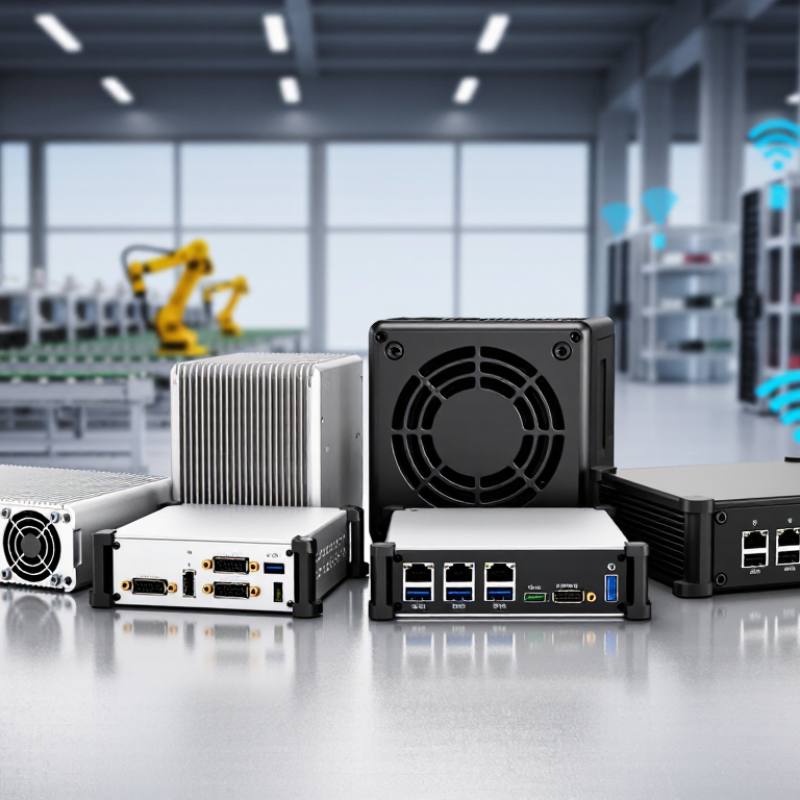
Top Embedded Computer Manufacturers for Global Buyers?

Embedded Computers: Definition, Core Functions, and Major Form Factors

Embedded Computers: Definition, Core Functions, and Major Form Factors

Embedded computers are compact computing systems designed for a specific task inside a larger product. Unlike general-purpose desktops, they combine processing, memory, storage, interfaces, and operating software in one controlled platform. A factory controller may monitor sensors, calculate movement, and trigger an emergency stop within milliseconds.

Embedded computers are compact computing systems designed for a specific task inside a larger product.

Their core functions include data collection, local processing, device communication, and reliable control. Many systems now use edge computing to reduce cloud dependence and response delays. MarketsandMarkets estimates the global embedded computing market could grow from about USD 105.7 billion in 2023 to USD 146.5 billion by 2028. The report attributes growth to automation, connected equipment, transportation, and medical technology.

Form factor affects installation, cooling, service access, and long-term stability.

Box computers fit inside cabinets and support multiple ports. Panel computers combine a display with computing hardware for operator stations. Single-board computers offer low-cost development and compact deployment, while computer-on-module designs separate processing from the carrier board. Rugged systems add wider temperature tolerance, shock resistance, and vibration protection.

Small does not mean simple. A fanless unit may reduce maintenance, but passive cooling can limit sustained performance. This trade-off is easy to overlook. Report definitions also vary widely, so market figures should not be compared without checking their scope, region, and included hardware.

Key Criteria for Comparing Embedded Computer Manufacturers Worldwide

Global buyers should compare embedded computer manufacturers through evidence, not attractive product pages.

IoT Analytics reported 18.8 billion connected IoT devices worldwide in 2024. That growth increases pressure on processor availability, thermal design, and long-term support.

Ask for a documented product lifecycle. Can the manufacturer provide replacement boards for seven to ten years? Check processor roadmaps, BIOS updates, security patches, and repair policies.

A useful supplier should explain operating temperature, vibration limits, MTBF testing, and regional certifications. Demand evidence. Factory photos are not enough.

Total cost also deserves careful review. Grand View Research valued the global embedded computing market at more than 90 billion dollars in 2023, with continued growth expected through 2030. Higher volume does not automatically mean lower ownership cost.

Compare engineering fees, minimum order quantities, tooling, freight, customs support, and failure-return rates. Review production audits and traceability records.

One weakness remains easy to miss: a supplier may meet today’s specification but lack local technical support tomorrow. Request sample units, run application-specific stress tests, and interview existing industrial customers before signing a multi-year agreement.

Some recommendations will still be imperfect. That is normal. Recheck the assumptions.

Leading Embedded Computer Manufacturers and Their Product Strengths

Top Embedded Computer Manufacturers for Global Buyers?

Leading Embedded Computer Manufacturers and Their Product Strengths

Leading embedded computer manufacturers distinguish themselves through practical product strengths, not attractive specifications alone. Some specialize in fanless systems for dusty factories and retail kiosks. Others focus on compact single-board computers, computer-on-module designs, or rugged systems for transportation. Strong suppliers usually offer wide temperature ranges, stable BIOS support, long product lifecycles, and clear documentation. These details reduce redesign risks after deployment.

A reliable evaluation should examine thermal performance, processing needs, expansion options, and power consumption. Check whether the system supports serial ports, dual displays, wireless modules, or industrial storage. Manufacturing quality also matters. Inspect connector strength, enclosure materials, and board protection before large-scale purchasing. In field projects, a small overheating issue can become a major maintenance cost. No supplier gets every detail right. That deserves attention.

Tips: Request sample units and test them in realistic conditions. Measure boot time, surface temperature, vibration response, and network stability. Ask about revision control, repair procedures, and replacement availability in your region. Compare warranty terms carefully. A cheaper system may become expensive when support is slow. Certification documents should match the destination market and intended application. I would also keep one spare unit during pilot testing, although budgets often resist this sensible step.

Regional Compliance, Supply Chains, and Global Purchasing Considerations

Top Embedded Computer Manufacturers for Global Buyers?

Regional Compliance, Supply Chains, and Global Purchasing Considerations

Choosing an embedded computer manufacturer requires more than comparing processor speed and unit price. Regional compliance can change the entire purchasing decision. Buyers should verify EMC, electrical safety, RoHS, REACH, radio, and cybersecurity requirements. IEC 62443 guidance is increasingly relevant for industrial deployments. Certification documents must match the exact model and configuration. A modified memory module can affect approval status.

Supply-chain resilience also deserves close attention. The World Semiconductor Trade Statistics forecast the semiconductor market would reach 611.2 billion dollars in 2024. That growth can increase allocation pressure for memory, processors, and power components. UNCTAD reports that about 80% of global merchandise trade by volume moves by sea. Port delays therefore affect delivery promises, inventory costs, and installation schedules. In procurement reviews, the lowest quotation often becomes expensive after freight, customs, testing, and regional support are included. A perfect forecast is not realistic.

Tips:

Request a compliance matrix, component lifecycle statement, and country-of-origin details before issuing a purchase order. Confirm HS classification and Incoterms with qualified specialists. Ask for two approved component alternatives, but review thermal and software compatibility first. Keep a small regional safety stock for critical deployments. Also check repair routes, warranty handling, and security update commitments. These details are easy to overlook.

Selecting the Right Manufacturer for Industrial and Commercial Applications

Selecting the Right Manufacturer for Industrial and Commercial Applications

Industrial computers face heat, vibration, dust, and unstable power. A suitable manufacturer should provide tested thermal designs, long product lifecycles, and clear failure-replacement procedures. The International Federation of Robotics reported 541,302 industrial robots installed worldwide in 2023. This growth increases demand for computing platforms that can operate beside moving machinery without frequent service interruptions.

Look beyond processor speed. Ask for burn-in results, operating-temperature data, storage endurance figures, and evidence of compliance with relevant industrial standards. NIST’s Cybersecurity Framework 2.0 emphasizes identifying, protecting, detecting, responding, and recovering from risks. Manufacturers should therefore support secure boot, firmware updates, access controls, and traceable component changes. Small failures spread.

Commercial deployments need a different balance. Digital signage, retail kiosks, medical equipment, and logistics terminals often prioritize compact designs, remote management, and stable supply. IDC’s Worldwide Edge Spending Guide projects substantial growth in edge infrastructure spending through the decade, showing why lifecycle planning matters. However, forecasts are not guarantees. Procurement teams should test sample units in real environments, including poor network conditions and repeated power cycles. No checklist is perfect. A manufacturer may offer impressive specifications yet provide weak documentation or slow technical support. That gap deserves more attention than a polished product sheet.

Top Embedded Computer Manufacturers for Global Buyers: Interface Bandwidth Benchmarks

Comparing supported industrial interfaces helps buyers evaluate embedded computers for factory automation, machine vision, edge gateways, and commercial control systems. The figures show nominal maximum signaling rates; actual throughput depends on cabling, distance, topology, protocol overhead, and hardware implementation.

Reference values: RS-485 up to 10 Mbps in common implementations, CAN FD up to 8 Mbps in the data phase, USB 2.0 up to 480 Mbps, Gigabit Ethernet up to 1,000 Mbps, and USB 3.2 Gen 1 up to 5,000 Mbps.