Top Pcr Equipment in China for Global Buyers?
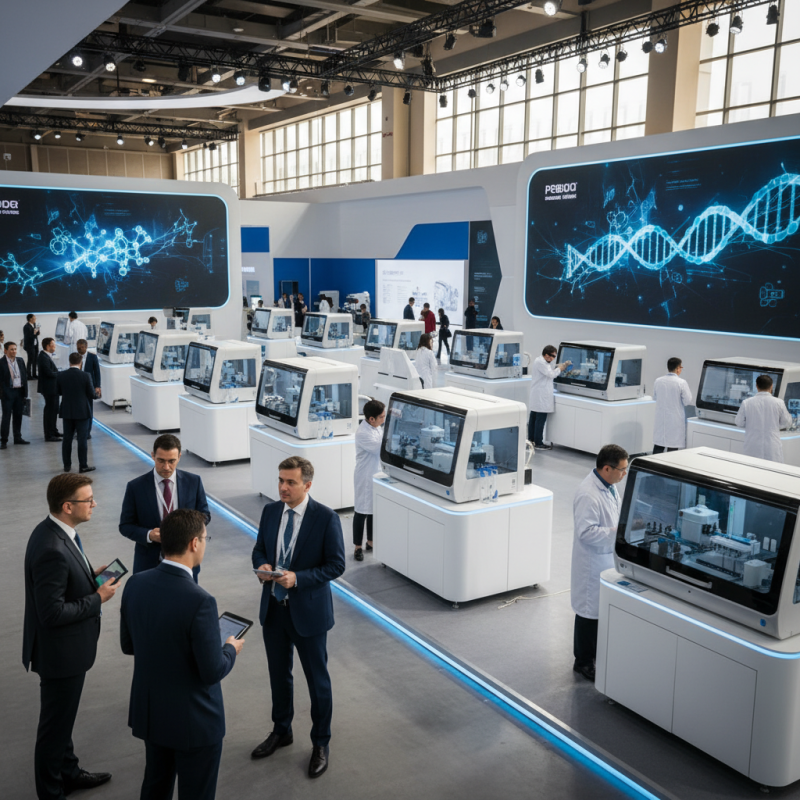
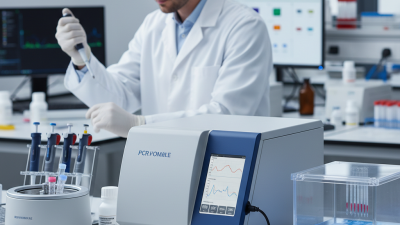
The demand for Pcr Equipment is rapidly growing among global buyers. This surge is driven by the increasing importance of genetic testing and diagnostics. In China, a range of manufacturers offers advanced Pcr Equipment tailored to various needs. These suppliers focus on quality, innovation, and affordability.
Some of these manufacturers have gained a solid reputation for their reliable products. However, navigating the market can be challenging. Quality varies significantly among different brands. Buyers must conduct thorough research and consider key specifications before making a decision.
While many options exist, not all Pcr Equipment meets international standards. It is crucial to assess the credibility of suppliers. Customer reviews can provide valuable insights into the effectiveness of the equipment. In a market as vast as China's, informed decisions will lead to better outcomes for global buyers.
Overview of PCR Technology and Its Importance in Biotechnology
PCR technology, or polymerase chain reaction, has transformed the field of biotechnology. It enables scientists to amplify specific DNA segments. This process is crucial for various applications, from disease diagnosis to genetic research. The ability to replicate DNA quickly and accurately allows for significant advancements in medical diagnostics and treatment. Each cycle of PCR doubles the amount of targeted DNA, creating millions of copies from a tiny initial sample.
Importance stems from its precision and speed. Researchers can detect pathogens in samples rapidly. This capability is vital in outbreak response, ensuring timely interventions. Furthermore, PCR plays a role in genetic testing and forensics. Experts depend on reliable PCR results to make informed decisions. However, challenges remain. Contamination can lead to false results. Additionally, optimizing conditions can be tricky and may require multiple trials.
The ongoing evolution of PCR technology continues to inspire innovation. As techniques improve, accessibility increases. This will empower more researchers globally. New methods and equipment are emerging, promising even greater efficiency. Yet, the fundamental principles of PCR remain unchanged, highlighting the importance of meticulous protocol adherence. The future of PCR looks promising, filled with both opportunities and obstacles to navigate.
Top PCR Equipment Usage in China for Global Buyers
This chart illustrates the usage of different types of PCR equipment in China, highlighting their significance in biotechnology for global buyers.
Key Factors to Consider When Selecting PCR Equipment
When selecting PCR equipment, several key factors demand attention. The accuracy of the equipment greatly influences results. A study shows that precision in polymerase chain reaction can vary significantly. Inconsistent temperature control can lead to unreliable data. Reliable instruments maintain uniform temperature across the reaction, leading to dependable results.
Speed is another critical consideration. Current trends show that faster cycles enhance productivity in labs. A well-optimized PCR machine can complete runs in under an hour. However, rapid cycling may compromise yield if not adequately managed. Balancing speed with efficiency becomes vital in high-throughput environments.
User-friendliness carries weight too. More intuitive interfaces facilitate smoother operations and train newcomers effectively. Complicated systems can lead to operational errors and frustrate users. Furthermore, maintenance and support services should not be overlooked. Access to quality technical support enhances the longevity and reliability of the equipment. Each factor plays a role, and careful evaluation will lead to more informed decisions.
Leading PCR Equipment Manufacturers in China
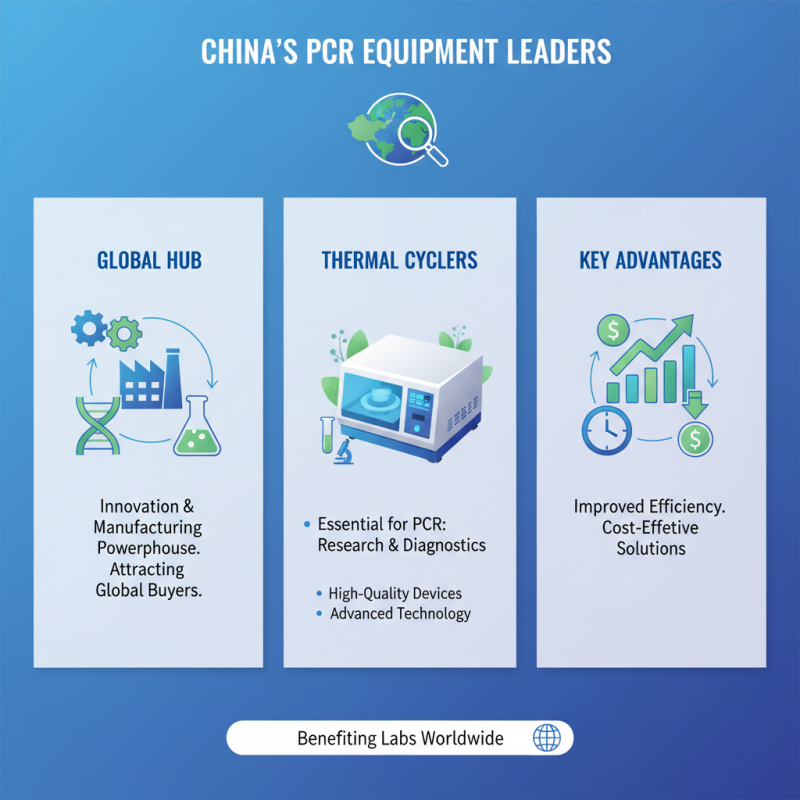
China has emerged as a hub for PCR equipment, attracting global buyers with its innovative technology. Various manufacturers excel in producing high-quality Thermal Cyclers, which are essential for PCR applications. These devices are crucial in research and clinical diagnostics. China’s manufacturers focus on improving efficiency and reducing costs, benefiting labs worldwide.
Leading PCR equipment manufacturers prioritize user-friendly designs while maintaining technical sophistication. They invest in advanced technology, ensuring reliable performance in diverse conditions. Many manufacturers also emphasize the need for regular updates and servicing, which can be a challenge for some users. Understanding the support structure of these companies is essential for buyers.
It's important to recognize the need for thorough research when sourcing PCR equipment. Not all manufacturers follow the same quality standards. Buyers should look for reviews and case studies to gauge expertise and customer satisfaction. Balancing cost and quality can lead to better long-term results. Engaging directly with manufacturers can also reveal insights about their capabilities and innovation strategies.
Comparative Analysis of Popular PCR Machines Available in China
When considering PCR machines available in China, one finds a diverse array of choices. These machines vary in features, price, and target applications. For laboratories focused on high throughput, some models boast impressive efficiency. Others prioritize user-friendly interfaces, making them ideal for educational settings.
The performance of these PCR systems can differ significantly. Some machines heat and cool samples rapidly, ensuring consistent results. However, variability in brands may lead to unexpected issues. Buyers should consider customer support and technical assistance, as these factors can influence machine reliability over time.
Additionally, the physical footprint of PCR machines can be a concern. While compact models save space, they might sacrifice capacity. A larger machine may provide better versatility for different assays. Understanding specific laboratory needs is crucial. Without this clarity, purchasing the wrong model could lead to underwhelming outcomes.
Top Pcr Equipment in China for Global Buyers? - Comparative Analysis of Popular PCR Machines Available in China
| Model |
Temperature Range (°C) |
Maximum Number of Cycles |
Sample Capacity |
Price (USD) |
| Model A |
4 - 99 |
40 |
96 |
500 |
| Model B |
10 - 95 |
50 |
48 |
750 |
| Model C |
6 - 98 |
45 |
384 |
1200 |
| Model D |
8 - 100 |
30 |
60 |
450 |
| Model E |
5 - 97 |
60 |
96 |
600 |