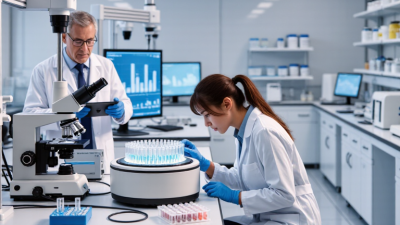
What Is Science Laboratory Equipment Used For?
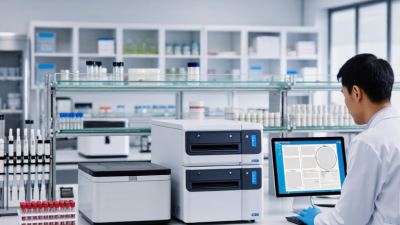
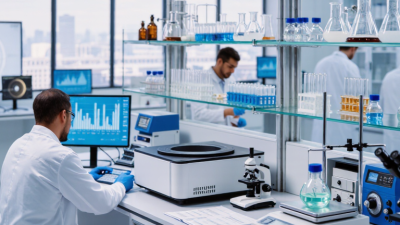
Science Laboratory Equipment turns scientific questions into measurable evidence. It includes microscopes, centrifuges, spectrometers, balances, incubators, and safety systems. Each tool performs a specific task, from separating biological samples to measuring invisible chemical changes. In practice, reliable equipment helps researchers reduce uncertainty and repeat important results. It also supports quality control in hospitals, universities, pharmaceutical companies, food laboratories, and environmental testing facilities.
Market research shows why this equipment matters. Fortune Business Insights estimates that the global laboratory equipment market was worth approximately USD 16 billion in 2023. The report expects continued growth through 2032, driven by biotechnology, diagnostics, and pharmaceutical research. Grand View Research also identifies automation, laboratory digitization, and advanced analytical instruments as major market influences. These reports use different definitions, so their figures should not be treated as identical. That limitation deserves attention.
Marc Casper, president and chief executive officer of Thermo Fisher Scientific, stated, “Our mission is to enable our customers to make the world healthier, cleaner and safer.” His statement reflects the practical purpose of Science Laboratory Equipment. A calibrated pipette can protect a drug assay. A clean centrifuge can prevent cross-contamination. A temperature-controlled incubator can preserve a week’s work overnight. No instrument is perfect. Human handling, maintenance gaps, and poor documentation can still weaken results. Understanding what each device does is therefore essential for safer, more credible laboratory work.
What Science Laboratory Equipment Is
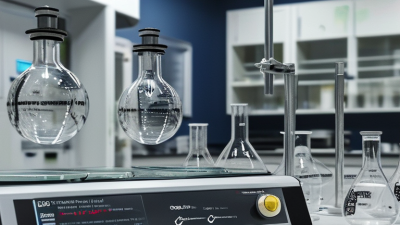
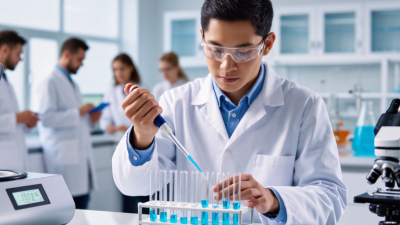
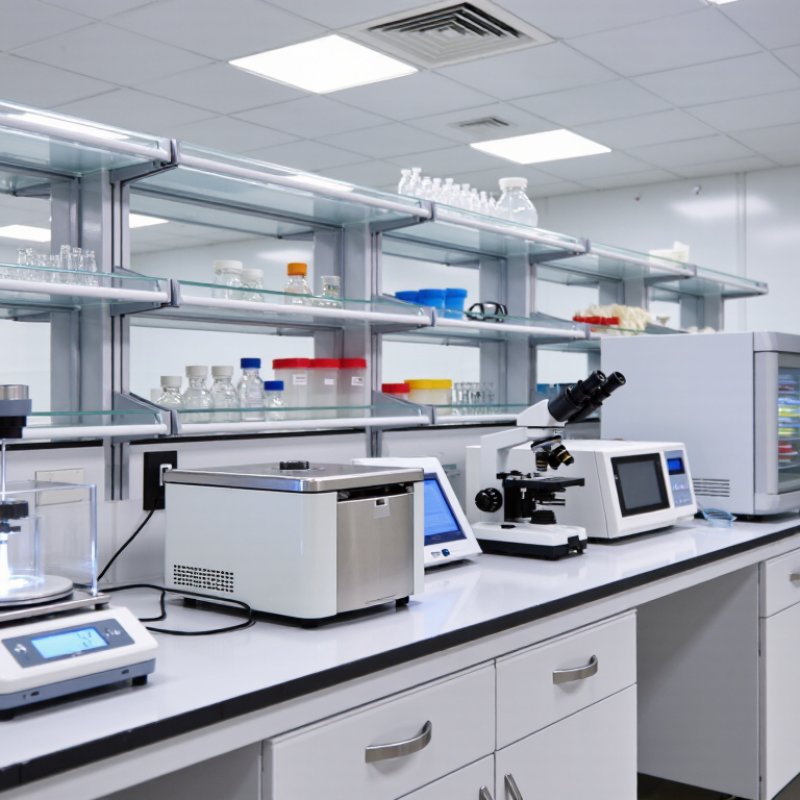
Science laboratory equipment is the collection of tools used to observe, measure, mix, heat, and protect materials during scientific work. It ranges from simple glassware to precise electronic instruments. Beakers hold liquids, graduated cylinders measure volume, and test tubes support small reactions. Pipettes transfer controlled amounts of liquid, while balances measure mass with careful accuracy.
Different equipment serves different scientific purposes. Microscopes enlarge cells, tissues, and tiny structures that the naked eye cannot examine. Thermometers and digital probes monitor temperature changes. Centrifuges separate substances by spinning samples rapidly. Hot plates provide controlled heating, while filtration devices remove solid particles from liquids.
Safety equipment also belongs in the laboratory.
Goggles protect the eyes, gloves reduce contact with chemicals, and fume hoods help control harmful vapors.
In practical laboratory work, equipment is useful only when it is clean, suitable, and correctly handled. A measuring cylinder cannot replace a precision balance. Small errors matter. Before an experiment, users should check cracks, loose connections, calibration records, and contamination.
Labels must remain readable, especially when several samples look alike. I have seen reliable results become doubtful because a wet container changed a measurement. That mistake seems minor, but it can affect an entire data set.
Equipment manuals and approved laboratory procedures provide essential guidance, although careful judgment is still necessary. Even experienced users should pause when a result looks unexpectedly perfect.
How Laboratory Equipment Supports Scientific Investigation
Science laboratory equipment turns questions into measurable evidence. Balances measure mass, microscopes reveal hidden structures, and spectrometers identify chemical signals. Each tool reduces guesswork during scientific investigation. It also helps researchers control temperature, pressure, timing, and contamination. A perfect-looking reading can still be wrong. Calibration records, reference materials, and repeated measurements expose that risk.
Equipment supports more than data collection. It strengthens traceability, safety, and reproducibility across laboratories. The WHO Laboratory Quality Management System handbook identifies equipment management as a core quality activity. The OECD Main Science and Technology Indicators report that OECD-area research and development intensity reached about 2.7% of GDP in 2022. That investment increases pressure for reliable results, not merely faster experiments. In practice, a technician may compare a control sample beside an unknown sample, inspect a calibration label, and record room temperature. Small details can change interpretation. I have found that rushed documentation often weakens otherwise careful work.
Tips:
Match equipment sensitivity to the research question. Check calibration status before use. Record sample identity, settings, and unusual observations immediately. Follow the manufacturer-independent procedures approved by your laboratory. When results conflict, repeat the measurement and review the method before blaming the instrument. NIST guidance on measurement uncertainty supports this cautious approach. Never treat software-generated numbers as unquestionable facts.
How Equipment Is Used Across Different Scientific Fields
Science laboratory equipment turns questions into measurable evidence. In biology, microscopes reveal cell structures, while incubators maintain stable conditions for cultures and tissue studies. Chemistry laboratories use balances, pipettes, fume hoods, and spectrometers to measure substances and observe reactions safely. In physics, sensors, oscilloscopes, and force gauges translate movement, voltage, and energy into readable data. Each tool has a narrow purpose. Misusing one can distort an entire experiment.
In environmental science, water samplers, pH meters, and gas analyzers help researchers track pollution and ecosystem change. Medical laboratories rely on centrifuges, analyzers, and sterile containers to examine blood and other samples.
Food scientists use moisture meters and temperature probes to check quality during storage and processing. Equipment does not create truth by itself. Calibration, clean handling, controls, and trained judgment matter just as much. A loose cable or rushed reading can weaken careful work. Small errors deserve attention. No method is flawless.
Tips: Match each instrument to a validated method. Check calibration before use. Record temperatures, settings, and sample labels immediately. Use controls and repeat unusual results. Ask a qualified supervisor when readings conflict. A tidy bench helps, but it cannot replace critical thinking.
Safety, Accuracy, and Maintenance in Laboratory Equipment
What Is Science Laboratory Equipment Used For?
Safety, Accuracy, and Maintenance in Laboratory Equipment
Laboratory equipment turns scientific questions into measurable evidence. The World Health Organization reports that laboratory results influence
about 70% of medical decisions.
This statistic raises the cost of careless handling. A balance with residue may shift a result. A pipette with worn seals can quietly change a sample’s concentration. Small errors compound.
Accuracy begins with controlled use.
ISO/IEC 17025 requires suitable equipment, calibration, and traceable records. For clinical laboratories, ISO 15189:2022 also emphasizes equipment verification and maintenance. Calibration certificates are not decoration. They show whether an instrument remains dependable. Still, real laboratory records are not always perfect. Busy teams may miss a check, especially during urgent work. That weakness deserves review, not concealment.
Safety needs physical controls and daily discipline.
OSHA laboratory guidance commonly recommends fume-hood face velocities near 80–120 feet per minute. A sash set too high can reduce protection. Centrifuges need balanced loads, intact lids, and documented inspections. Refrigerators require temperature logs, while alarms should be tested rather than merely installed. Maintenance intervals should reflect workload, heat, vibration, and contamination risk. Cleaning schedules must name the person responsible. Otherwise, “routine maintenance” becomes an assumption.