iGene Labserve

What Are the Top Laboratory Equipment Suppliers?

Choosing the top laboratory equipment suppliers is less about finding one universal winner and more about matching a supplier to a laboratory’s actual work. A university teaching lab may prioritize affordable glassware and dependable delivery. A diagnostic or research facility may need calibrated instruments, documented maintenance, and responsive technical support. The same supplier can perform well in one area and fall short in another. Details matter.

This guide compares suppliers through practical criteria: product range, quality documentation, warranty terms, service coverage, delivery reliability, and the availability of replacement parts. It also considers how clearly suppliers explain specifications, such as a centrifuge’s capacity or a freezer’s temperature range. Those details affect daily work, not just purchase decisions. When reviewing Laboratory And Equipment options, buyers should check whether quoted prices include installation, training, or routine calibration. A low upfront cost can become less attractive if essential support is extra. Not always obvious.

Supplier rankings also have limits. Product catalogs change, and service quality may vary by location or product line. A supplier praised by one laboratory may not suit another’s budget, workflow, or compliance needs. This comparison is intended as a careful starting point, not a substitute for checking current specifications, references, and written service terms. Some details are easy to overlook. That is worth remembering before placing an order.

What Are the Top Laboratory Equipment Suppliers?

What Laboratory Equipment Suppliers Provide

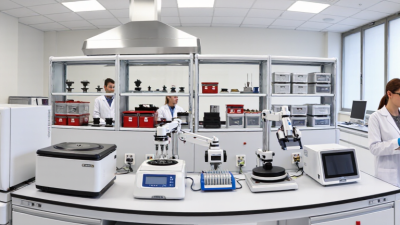
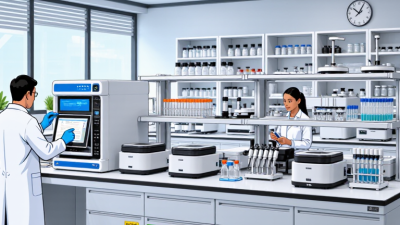
Laboratory equipment suppliers do more than ship instruments. They help research, clinical, and teaching teams choose equipment suited to their workflows, sample volumes, and available space. A typical package may include balances, centrifuges, microscopes, refrigerators, water purification systems, and routine consumables.

Suppliers can also arrange installation, user training, calibration, and preventive maintenance. For example, a centrifuge may need the right rotor, bench clearance, and service plan—not just a competitive price. Small details matter.

UNESCO’s 2021 Science Report puts global research and development spending at nearly US$1.7 trillion, reflecting the scale of investment behind research infrastructure.

That figure does not measure equipment purchases directly, but it shows why dependable supply and support matter.

Buyers should ask for clear delivery timelines, warranty terms, spare-parts availability, and calibration records. Check whether technicians can service equipment locally, too. A catalog is not enough.

I would still compare the supplier’s response to a real service request; polished product pages can hide slow support.

How Suppliers Are Evaluated for Quality and Reliability

Supplier credibility
Reliable laboratory equipment suppliers earn trust through evidence, not polished brochures. Ask for calibration certificates, traceability records, service response times, and documented procedures for handling defective units. ISO/IEC 17025:2017 sets competence requirements for testing and calibration laboratories; it can help buyers assess whether a supplier’s calibration evidence is credible. Still, a certificate alone cannot prove that equipment will perform well in daily use.

The ISO Survey of Certifications 2022 recorded more than 1.26 million valid ISO 9001 certificates worldwide. That scale makes quality-management certification a useful screening signal, not a guarantee of consistent product quality. Check whether the supplier’s scope covers the relevant activities, then review sample inspection records and corrective-action reports. Ask how often instruments are recalibrated, and what happens when a unit fails. Small details matter.

Delivery & service
Delivery reliability deserves equal scrutiny. The World Bank’s 2023 Logistics Performance Index assessed 139 economies, including shipment timeliness. Its findings offer context for supply-chain performance, though they do not rate laboratory vendors directly. Request recent on-time delivery figures and lead-time ranges for the exact equipment you need. Compare those claims with purchase records, if available. A spreadsheet can still flatter a weak supplier. I would also check spare-part availability and the time needed to arrange repairs; these are easy to overlook, and supplier data may be incomplete.

Main Categories of Laboratory Equipment Suppliers

Laboratory equipment suppliers usually fall into several practical categories. Full-line distributors offer balances, glassware, microscopes, and routine consumables through one purchasing channel. This can simplify ordering and delivery. However, a broad catalog does not guarantee deep expertise in every instrument. The categories are not always tidy.

Specialist suppliers focus on equipment such as temperature-control systems, analytical instruments, or sample-preparation tools. Their staff may provide more detailed guidance on installation, calibration, and operating requirements. Direct manufacturers are another category, often supporting equipment they produce with technical documents and service options. Refurbished-equipment suppliers offer inspected, previously used instruments. Costs may be lower, but buyers should check inspection records, warranty terms, and the availability of replacement parts.

Supplier choice depends on the work a laboratory performs. A teaching lab may value dependable basic equipment and quick delivery, while a testing facility may need documented calibration and responsive technical support. Ask for specifications, service coverage, and realistic delivery estimates before ordering. A polished quotation is useful, but it cannot reveal everything. Compare the details that affect daily use, such as bench space, cleaning needs, and staff training. A supplier’s category is a starting point, not proof of suitability.

Leading Suppliers Across Key Laboratory Markets

Laboratory suppliers serve distinct markets, not one uniform buyer. Life-science labs need incubators, centrifuges, and precise pipettes. Analytical chemistry depends on spectrometers, chromatographs, and dependable calibration. Clinical and teaching laboratories often prioritize durable instruments, straightforward workflows, and responsive service. Small details matter. A freezer alarm that arrives late can disrupt a carefully planned week.

Grand View Research estimated the global laboratory equipment market at USD 58.8 billion in 2023, with projected annual growth of 7.0% through 2030. OECD data show research and development spending reached about 2.7% of GDP across OECD economies in 2022.

These figures point to broad demand, but they do not identify the best supplier for every lab. Buyers should compare equipment fit, installation support, spare-part access, and calibration records. Service matters. A low purchase price may look attractive until repairs take weeks.

Market estimates also vary by category, so treat them as directional rather than exact. Even experienced teams sometimes overlook consumable availability. That is worth questioning before signing.

How to Choose a Supplier for Your Laboratory Needs

Choosing a laboratory equipment supplier starts with the work your lab actually performs. List required capacity, measurement range, sample volume, and daily throughput. Then check whether the supplier can provide installation, user training, maintenance, and replacement parts. A low purchase price can become costly when a critical instrument sits idle. Grand View Research estimated the global laboratory equipment market at USD 56.6 billion in 2023, reflecting a broad and varied supplier landscape. Market size does not prove quality, though. Compare documented specifications and service commitments, not just product catalogs.

Ask for calibration records, warranty terms, expected repair times, and references from labs with similar workflows. For measurement-critical equipment, confirm that calibration services are traceable and performed by a competent provider; ISO/IEC 17025 accreditation can help assess that competence. Request a written quote that separates the instrument, installation, consumables, and ongoing service costs. Check lead times for common wear parts, such as filters or seals. Small details matter. A clear escalation contact matters, too. One thing is easy to overlook: supplier promises may sound reassuring, but vague response-time language is hard to rely on.

Tips: Send shortlisted suppliers the same requirements list and ask for written answers. Verify claims with records or customer references. Keep the comparison simple, but leave room for judgment; no checklist captures every lab’s working conditions. A brief demonstration using representative samples can reveal awkward controls or cleaning steps before purchase. The right fit is the one your team can use, maintain, and support consistently.

Source: Grand View Research, Laboratory Equipment Market Size, Share & Trends Analysis Report, 2024.