iGene Labserve

Top 10 Research Lab Equipment Suppliers Worldwide

Research laboratories rely on equipment that performs consistently, not just equipment that looks impressive in a catalog. A stable incubator, a calibrated balance, and a dependable pipette can shape the quality of everyday work. Supplier choice matters. Researchers also need clear specifications, responsive technical support, practical maintenance options, and access to replacement parts. A low purchase price may not tell the whole story.

Lord Kelvin, the physicist and engineer known for his work on measurement, offered a useful principle: “When you can measure what you are speaking about, and express it in numbers, you know something about it; but when you cannot measure it, when you cannot express it in numbers, your knowledge is of a meagre and unsatisfactory kind.” His words are not about modern Research Lab Equipment suppliers specifically. Still, they highlight why accuracy, verification, and reliable documentation deserve close attention.

This overview of the Top 10 Research Lab Equipment Suppliers Worldwide considers product range, global reach, service capabilities, and reputation. It also recognizes that supplier rankings depend on the needs of each laboratory. A university facility may prioritize flexible purchasing, while a clinical or industrial lab may value uptime and support. No list can capture every local constraint. Some details deserve a second look. Compare specifications carefully, ask how service works after installation, and treat broad claims with healthy skepticism.
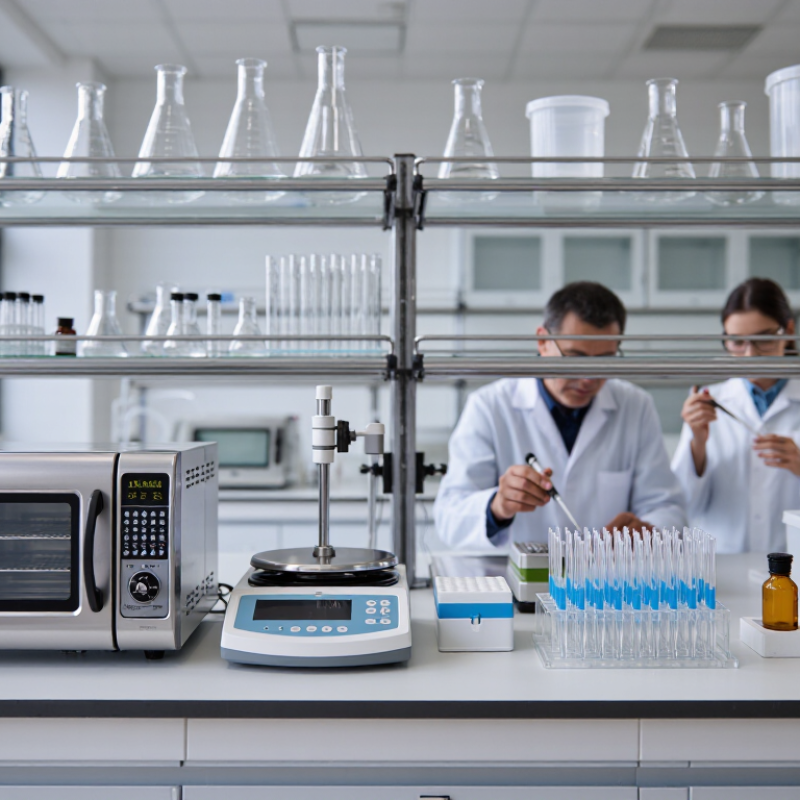
Top 10 Research Lab Equipment Suppliers Worldwide

How Research Lab Equipment Suppliers Support Scientific Work

Research lab equipment suppliers support scientific work by helping teams choose instruments that fit their methods, budgets, and available space. A supplier should explain key specifications in practical terms, such as temperature range, measurement accuracy, and required bench clearance. For example, a centrifuge’s capacity matters, but so do rotor compatibility and cleaning needs. Reliable guidance can prevent mismatched purchases. It should also include clear documentation, installation support, and training when needed. Small details matter. A well-organized maintenance schedule can reduce interruptions and help researchers keep consistent records.

Tips: Share your sample types, daily workload, and room conditions before requesting a quote. Ask about calibration records, spare-part availability, warranty limits, and service response times. Compare support terms, not just prices.

After delivery, suppliers may help verify setup, explain routine checks, and identify when professional servicing is appropriate. This is especially useful for equipment used across multiple projects, where unclear handoffs can lead to inconsistent settings. Still, a polished catalog is not proof that an instrument suits a specific protocol. Teams should review technical requirements with qualified staff and confirm details in writing. That saves time. Supplier advice can be valuable, but researchers remain responsible for validating equipment performance in their own workflows. One weakness is easy to overlook: support quality can vary, even when product specifications look excellent.

Criteria for Comparing Suppliers Across the Global Market

Comparing research lab equipment suppliers worldwide requires more than checking catalogue prices. Start with technical fit: confirm working ranges, accuracy, materials, and compatibility with existing instruments. Ask for calibration records, installation requirements, and clear warranty terms. Documentation should be easy to review, not scattered across emails. Details matter. A low purchase price may hide costly setup, shipping, or replacement parts.

Compare delivery estimates against your project schedule, including customs processing and local service availability. Ask who handles installation, repairs, and urgent support in your region. Check whether common consumables and spare parts can be obtained reliably. Supplier references from labs with similar workloads can reveal practical strengths. Still, one reference is not proof; needs differ. A tidy comparison spreadsheet can create false confidence if it ignores downtime and staff training.

Tips: Request a written quotation with itemized freight, service, and maintenance costs. Clarify response times and the process for resolving defects. Keep a small scorecard for performance, support, documentation, and total cost. Then review the scores with the people who will use the equipment. Their everyday concerns may change the ranking.

Profiles of Ten Major Research Lab Equipment Suppliers

Profiles of ten major research-lab equipment suppliers reveal distinct strengths rather than one universal leader. Analytical-instrument suppliers support chromatography and spectroscopy; microscopy specialists serve imaging needs; life-science vendors provide centrifuges and cell-analysis tools. Other supplier groups focus on cold storage, laboratory furniture, glassware, consumables, purified water, automation, and containment equipment. The boundaries are not neat: some companies span several categories, while others excel in regional service. Grand View Research estimated the global laboratory equipment market at USD 58.3 billion in 2023 and projected 7.4% annual growth through 2030. That scale reflects varied research needs, not guaranteed product quality.

For buyers, compare service coverage, calibration support, spare-part availability, and compatibility with existing workflows. A freezer’s temperature recovery after repeated door openings may matter more than its advertised capacity. Ask suppliers for documented performance data and local response times; impressive specifications alone can disappoint. Small details matter. Supplier profiles should also note whether equipment is designed for routine teaching labs, high-throughput facilities, or specialized research. These distinctions affect setup, training, and long-term operating costs.

Tips: Request a demonstration using your own sample type, where practical. Check maintenance intervals and warranty exclusions before purchase. The WHO Laboratory Quality Management System handbook emphasizes equipment management, including selection, installation, maintenance, and records. Treat those steps as part of the purchase—not paperwork to handle later.

Top 10 Research Lab Equipment Suppliers Worldwide - Profiles of Ten Major Research Lab Equipment Suppliers

The profiles below are presented without company or brand names. They are descriptive, non-ranked summaries of established suppliers’ headquarters regions and equipment portfolios; the numbering does not indicate market position.

Profile Headquarters Country Representative Equipment Portfolio Typical Laboratory Users Global Supply Characteristics
Supplier 01 United States Analytical instruments, mass spectrometry systems, chromatography platforms, laboratory refrigerators and freezers, and general laboratory equipment. Academic research, pharmaceutical development, clinical laboratories, biotechnology, and applied industrial research. Serves research and laboratory markets internationally through a broad instrument, consumables, and service portfolio.
Supplier 02 United States Life-science research tools, cell-analysis systems, microscopy-related products, filtration equipment, and laboratory automation technologies. Cell biology, biomedical research, biopharmaceutical development, diagnostics research, and university laboratories. Operates internationally across life-science and laboratory markets, with products and technical support offered in multiple regions.
Supplier 03 Germany Laboratory chemicals and materials, filtration products, water purification systems, and equipment used in life-science research and process development. Biotechnology, pharmaceutical research, academic laboratories, analytical testing, and industrial laboratories. Supplies laboratory and life-science products to customers in numerous countries through regional sales and distribution networks.
Supplier 04 United States Chromatography and mass spectrometry systems, spectroscopy instruments, laboratory software, and related analytical technologies. Pharmaceutical quality control, chemical analysis, food testing, environmental monitoring, and academic research. Provides analytical instruments and associated support to laboratories across major international markets.
Supplier 05 United States Liquid chromatography systems, mass spectrometry instruments, sample-preparation products, and laboratory data-management tools. Pharmaceutical and biotechnology research, clinical research, food analysis, and chemical testing laboratories. Focuses on analytical laboratory customers worldwide, with product support and service available in multiple regions.
Supplier 06 Germany Mass spectrometers, nuclear magnetic resonance systems, electron paramagnetic resonance instruments, and other scientific measurement technologies. Universities, materials science, chemistry, life sciences, and advanced research facilities. Supplies specialized scientific instruments internationally, serving research institutions and industrial laboratories.
Supplier 07 Germany Laboratory centrifuges, pipettes, liquid-handling products, bioprocess equipment, and instruments for cell and molecular biology workflows. Life-science research, clinical research, pharmaceutical laboratories, and bioprocess development teams. Offers laboratory products and technical services through international subsidiaries and distribution channels.
Supplier 08 Germany Balances, moisture analyzers, bioprocess systems, laboratory filtration products, and equipment for sample handling and process development. Biopharmaceutical manufacturing, research laboratories, quality control, and academic life-science programs. Serves customers across global laboratory and bioprocess markets, with regional commercial and service operations.
Supplier 09 United States Laboratory balances, analytical instruments, titration systems, pH measurement equipment, and thermal analysis systems. Chemistry, pharmaceutical quality control, food and beverage testing, education, and industrial research. Distributes precision measurement and laboratory products internationally through direct and authorized sales channels.
Supplier 10 Japan Chromatography systems, mass spectrometers, spectrophotometers, elemental analyzers, and materials-testing instruments. Academic research, environmental analysis, pharmaceuticals, food testing, and materials science. Provides analytical and testing instruments to laboratories worldwide through a network of overseas offices and distributors.

Key Products and Specializations of Leading Suppliers

Leading research-lab suppliers often specialize rather than serve every need equally. Some focus on analytical instruments, including chromatography systems, spectrometers, balances, and thermal analyzers. Others supply everyday essentials: glassware, pipettes, centrifuges, refrigerators, and benchtop mixers. A broad catalog can be useful, but replacement parts and calibration support may matter more than the number of products listed.

Life-science suppliers may offer incubators, cell-culture vessels, microscopes, and cold-storage equipment. Materials-science specialists often carry furnaces, tensile testers, coating tools, and particle-size analyzers. Environmental testing suppliers may provide water-quality meters, sample-preparation systems, and field kits. Details matter. When choosing a microscope, compare illumination, camera compatibility, and service intervals, not just magnification. For a centrifuge, rotor options and noise levels affect daily work.

Supplier quality also shows after delivery. Request clear specifications, calibration records where relevant, installation guidance, and realistic lead times. Confirm that consumables fit existing instruments; an inexpensive filter that slows a workflow is no bargain. Regional service networks can reduce downtime, while a smaller specialist may offer more focused technical advice. Not always. Compare warranty terms and response times in writing, and test one unit before placing a large order when practical. The largest supplier is not automatically the best fit; needs vary with methods, budget, and staff experience.

Research Lab Equipment: Typical Temperature Setpoints

Representative temperatures for common equipment specializations, including cold storage, incubation and sterilization. Values are typical reference points and vary by application and model; this chart does not rank suppliers.

How to Choose a Supplier for a Research Laboratory

Choosing a supplier for a research laboratory starts with the work the equipment must support. Match specifications to sample types, throughput, accuracy, and room conditions—not just the purchase price. Ask for installation requirements, calibration records, warranty terms, spare-parts availability, and realistic service response times. For a centrifuge, for example, confirm rotor compatibility and the space needed to open its lid safely. Get commitments in writing.

Operating costs deserve equal attention. The U.S. EPA and Department of Energy’s Labs21 program reports that laboratory buildings can use five to ten times more energy per square foot than typical office buildings. The comparison is not a prediction for every lab, but it makes energy demand worth checking. Compare power use, heat output, water needs, and standby consumption across quoted models. A low-cost instrument may raise cooling loads or require costly utilities. Small details matter.

Tips: Request a site assessment and a written total-cost estimate, including delivery, installation, training, consumables, and maintenance. Ask for references from labs with similar workflows, then verify service coverage in your region. A polished specification sheet cannot reveal every installation delay; teams can underestimate downtime, too. Revisit the shortlist with technicians who will use and maintain the equipment.